

Is My Lavender Dead? How to Tell if It’s Dormant or Gone for Good
Is your lavender plant dead? If you’re staring at a sad little silver-gray mound right now and thinking, “Well… that’s it,” you’re in good company. This is one of the most common lavender questions I hear every spring—especially after a long, cold winter.
Here’s the part that messes with everyone (myself included the first time): lavender goes dormant. So that “blah,” washed-out, silvery look doesn’t automatically mean your plant is toast. Dormant lavender can look very suspicious… like it’s playing dead on purpose.
In this post, I’m going to show you exactly what to check—the quick signs that tell you whether your lavender is simply sleeping or truly gone for good—and what to do next (especially if yours is in a pot, because pots are a whole different situation).
The items listed are accompanied by affiliate links, meaning I earn a small commission if a purchase is made through my links. This has no impact on the cost to the consumer. I link to products this way whenever possible, and it has no bearing on the products I choose to review or recommend.
The #1 Reason People Think Lavender Is Dead (When It Isn’t)
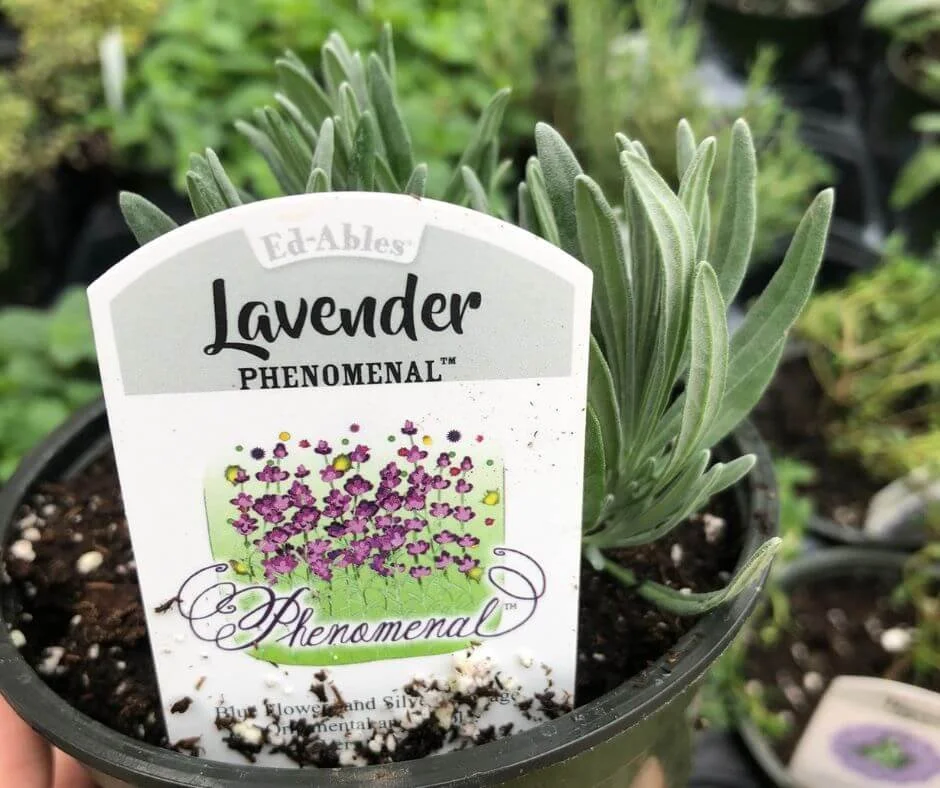
When lavender is dormant, the foliage often looks silver-gray and the plant may look “stuck” while everything else is waking up.
Dormant lavender can look dull, quiet, and not very impressive for a bit. That doesn’t automatically mean it’s dead.
So the first rule is:
Don’t be too quick to declare it dead.
If it’s still early spring and you’ve had a cold winter, lavender may just be taking its sweet time.
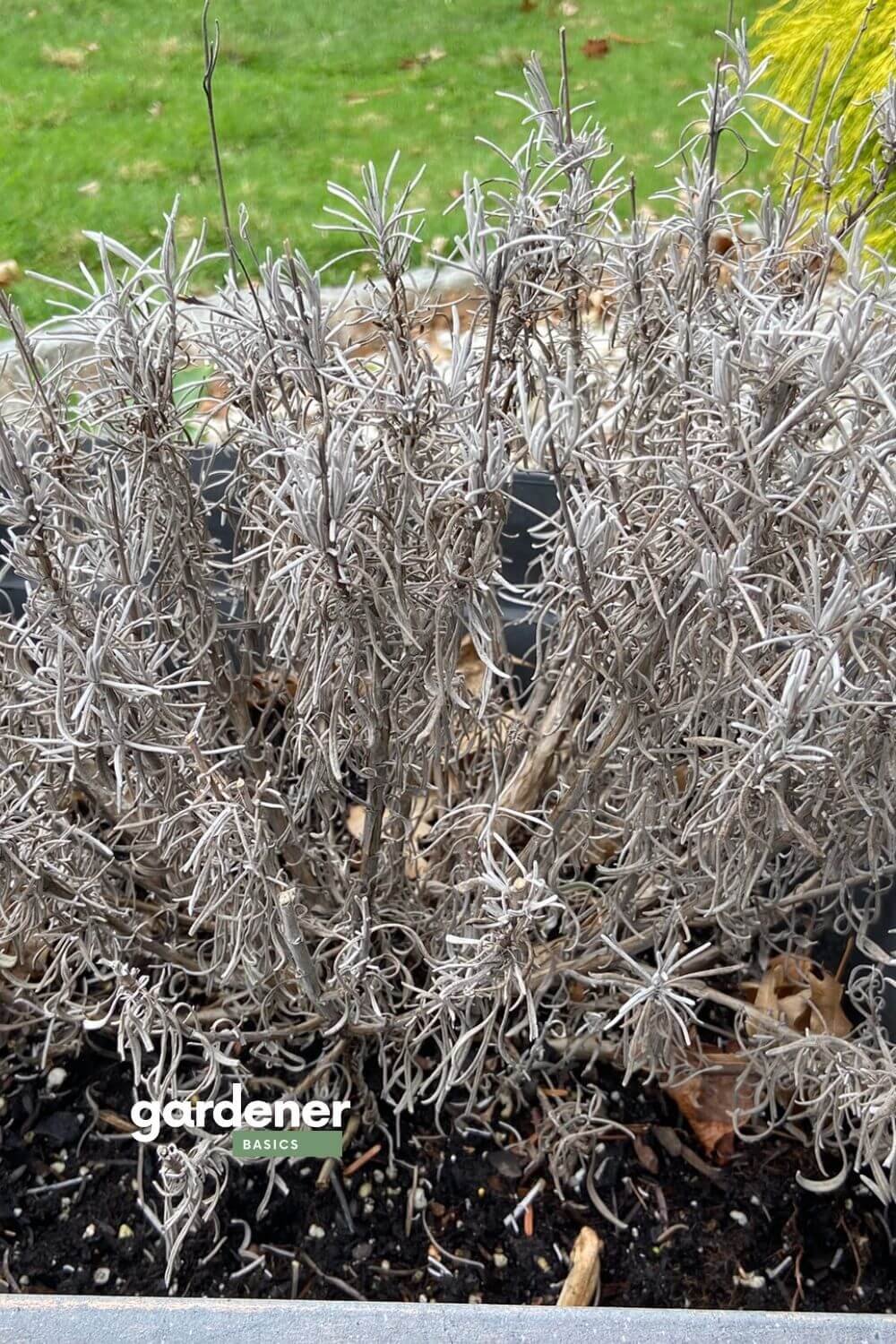
This lavender is a great example.

How to Tell if Lavender Is Dead: The Quick Checklist
When I’m trying to decide if a lavender plant is truly done, I look for two big categories:
What the leaves and top stems look like
Whether there’s any sign of life down low near the base
Let’s go step-by-step.
Step 1: Get Up Close and Look at the Leaves + Stems
Dead lavender usually gives itself away with the texture.
Signs it may be dead:
Stems look extra woody and barky
Everything feels brittle and dried out
Needle-like leaves fall off easily when you touch them
There’s very little color—it looks dry, crispy, and “done”
In my dead lavender pot, the needles were basically falling off because the plant was so brittle.
Step 2: Check Deep Near the Base (This Is the Most Important Part)
If lavender is alive, you’ll often see signs of life down near the bottom first.
What you want to see:
Tiny bits of green starting low on the plant
New growth beginning at the base or lower stems
A plant that still has some “give,” not just brittle dryness
What a dead lavender looks like:
No green anywhere near the base
Just woody stem and bark
The plant looks silver and lifeless all the way down
In my pot, there was zero new growth down low—just brittle wood. (And the only green I saw was a weed, not the lavender.)
“Okay… But How Long Should I Wait?”
If you’re in spring and your lavender looks questionable, I’d give it a little time—especially after a cold winter. Lavender can be slow to wake up, and in a lot of cases you’ll see signs of life within a few weeks.
And I’ll be honest: I didn’t pull one of mine right away (life happened, I got busy), and later in the summer I spotted fresh green growth at the base. I was genuinely shocked—but also really glad I didn’t panic and yank it too soon.
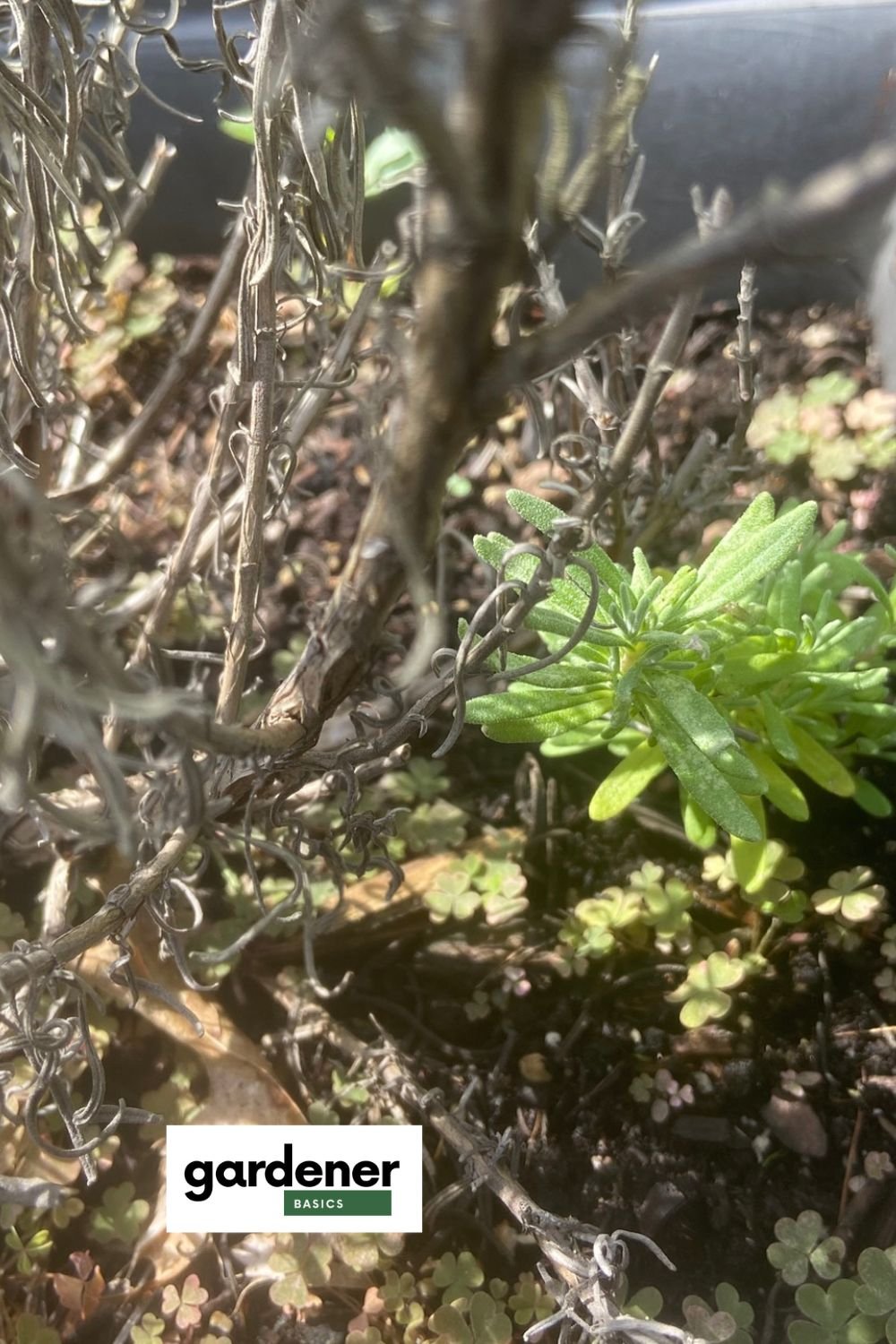
Thought this lavender was done… then it pushed out new growth from a side offshoot (not the main stem!). Lavender is way more resilient than we give it credit for.
Why My Lavender Died (And Why It Happens So Often in Pots)
This lavender was in a large pot outside all winter, and we had one of those wet, snowy, icy seasons where everything just stayed messy for weeks. Snow, ice, and slush kept piling into the pot, and the soil stayed soggy way longer than it should have. Then the ground (and the potting mix) froze solid, so it couldn’t drain properly—even when things started to melt. And since lavender hates sitting in wet soil, the roots basically sat in cold, waterlogged conditions for too long… and that was that.
The big takeaway:
Lavender doesn’t usually die from cold alone. It dies from cold + wet (especially in containers).
If You Want to Keep Lavender in a Pot, Do This Instead
I have successfully overwintered potted lavender—just not by leaving it out in all that winter moisture. What worked best for me was moving the pot to a more protected spot for the coldest part of the season. It doesn’t need to be fully heated; it just needs to be out of that constant cycle of freezing, thawing, and staying wet.
One year I brought mine into the garage, then moved it back outside once temperatures warmed up—and it survived, bloomed, and looked great. This year I tried the “leave it outside” experiment, and I lost it. If you want potted lavender to make it long-term, protecting it from winter wetness is the real game-changer.
What to Do If Your Lavender Is Dead
If you’ve confirmed:
brittle stems
needles falling off
no green at the base after a couple weeks of spring warming
Here’s what I’d do:
Pull it out (yes, it hurts)
Dump the potting soil if it’s stayed soggy or seems compacted
If reusing the pot, make sure it has:
excellent drainage holes
a potting mix that drains fast
Next time, plan to overwinter the pot in a protected spot (like a garage)
What to Do If You Think It’s Dormant (Not Dead Yet)
If your lavender is:
silver-gray
not putting on growth yet
but not totally brittle and lifeless
Do this:
Wait a little longer
Keep an eye on the base for green
Don’t panic-prune it into the ground while it’s still deciding what season it is
Common Lavender Questions
Why is my lavender turning silver-gray?
That can be normal winter dormancy. Silver-gray foliage alone doesn’t equal dead.
My lavender looks woody—does that mean it’s dead?
Not always. Lavender gets woody with age. The deciding factor is whether there’s new growth (especially near the base).
Can lavender come back if it looks dead?
From my personal experience, lavender can come back by pushing out new growth from side offshoots near the base—even when the main stem looks like a goner. Just don’t expect that original main stem to revive; the comeback usually happens from those new shoots instead.
What kills lavender most often in winter?
In my experience (especially in pots): wet soil that doesn’t drain, combined with freezing temps.
Quick Summary: Dormant vs. Dead Lavender
Probably Dormant
Silver-gray foliage in winter
Some flexibility in stems
You see small green growth starting low
Probably Dead
Extremely brittle, dried-out stems
Needles fall off easily
No green anywhere near the base even after a couple weeks of spring
Pin It for Later


Learn how to dry lavender at home the easy way—bundle, hang, and dry in 1–2 weeks. Plus, how to remove buds and use dried lavender for scent, sleep, and storage.