

When to Plant a Vegetable Garden
If planting a vegetable garden has ever felt like a pop quiz you didn’t study for—same.
One person says “Plant tomatoes on Mother’s Day.” Another says “Wait until the soil is warm.” Meanwhile you’re standing there with a cart full of seedlings thinking… please don’t let me kill these.
Here’s the good news: vegetable gardening isn’t about guessing months. It’s about anchoring your plan to one local date:
Your average last spring frost date.
Once you have that, you can follow a simple countdown—and I’ll show you exactly what to plant and when, with real date examples you can copy.
The items listed are accompanied by affiliate links, meaning I earn a small commission if a purchase is made through my links. This has no impact on the cost to the consumer. I link to products this way whenever possible, and it has no bearing on the products I choose to review or recommend.
A Simple Timeline (With Real Date Examples + Zones Explained)
Step 1: Get your exact dates
Before you plant anything, grab two numbers from The Old Farmer’s Almanac:
Your last spring frost date + first fall frost date (by ZIP/postal code)
→ Find your frost dates here (Old Farmer’s Almanac)Your local Vegetable Planting Calendar (also by ZIP)
→ Check your planting windows here (Old Farmer’s Almanac)
One important thing I want you to know (so you don’t feel “wrong” if spring acts weird): the Almanac frost dates are probability-based (30% threshold). That means they’re a solid planning tool, not a guarantee.
Translation: you’re building a smart plan—then staying flexible if Mother Nature does her thing.
Step 2: Zones vs. Frost dates
If you’ve ever heard “I’m in Zone 6b!” and thought you were supposed to know what that means… you’re not alone.
USDA Zones
Zones are based on the average annual extreme minimum winter temperature. They’re amazing for choosing plants that survive winter (perennials, shrubs, trees).
Frost dates
Vegetables are mostly grown as annuals, so they care about one thing:
Will frost kill me?
So: zones give context, but frost dates run your veggie planting schedule.
The Simple Beginner Timeline
Take your Almanac last frost date and label it:
Week 0 = your average last spring frost date
Now everything becomes a countdown.
10–8 weeks BEFORE last frost
Start indoors (slow starters)
peppers (they take their sweet time—starting early helps)
Optional slow starters you can do too (if you want): onions/leeks/celery (your Almanac planting calendar will spell these out for your ZIP).
Beginner tip: If starting seeds indoors feels like “a whole thing,” it’s totally okay to skip it this year and use nursery seedlings for tomatoes and peppers.
RELATED: Starting Seeds Indoors: A Beginner's Guide to Success
8–6 weeks BEFORE last frost
Start indoors
tomatoes
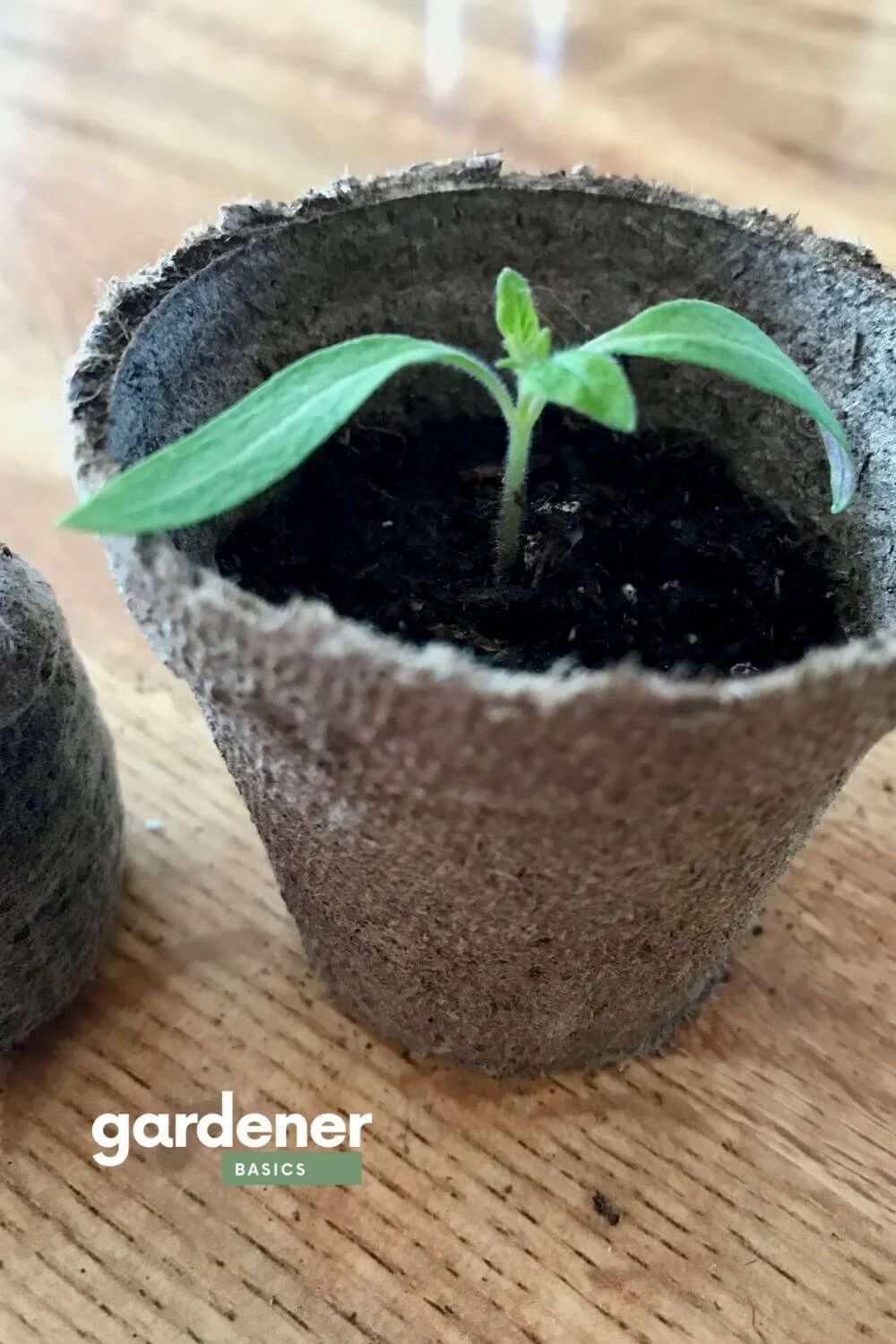
Tomato seedling
6–4 weeks BEFORE last frost
Direct sow outside (as soon as soil is workable)
peas (one of the best “first wins”)
spinach / lettuce (cool-season greens)
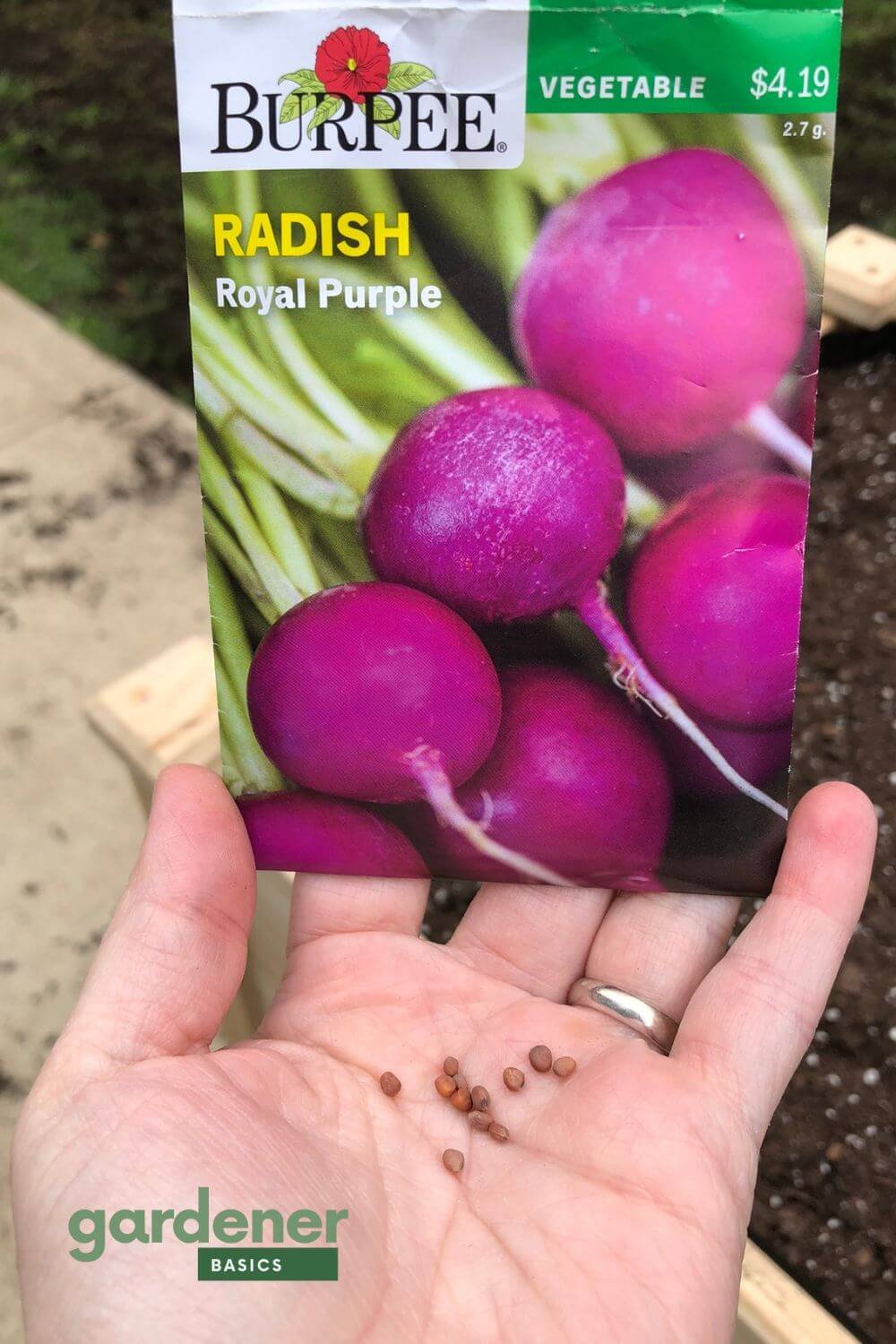
often: radishes, carrots, beets (your ZIP-based calendar will confirm)
Beginner sanity check: “Soil is workable” means you can dig without pulling up sticky mud bricks. If the soil is soggy, wait. Planting into mud is the fastest way to end up discouraged.
4–2 weeks BEFORE last frost
Plant outdoors
potatoes
This is where a lot of beginners wait too long. Cornell recommends planting potatoes 2–4 weeks before last frost (with soil at least around 40°F).
Utah State gives a similar window (about 14–21 days before last frost).
Week 0 to 2 weeks AFTER last frost
Cool-season transplants + staples
Depending on your area, this is when many gardeners plant:
broccoli / cabbage / kale (timing varies—your Almanac calendar gives exact windows)
onion sets and more greens, depending on region
Beginner tip: If you buy seedlings, this is the “don’t forget to harden them off” stage. A sunny day can scorch tender leaves fast.
About 1 week AFTER the frost-free date (soil temp matters!)
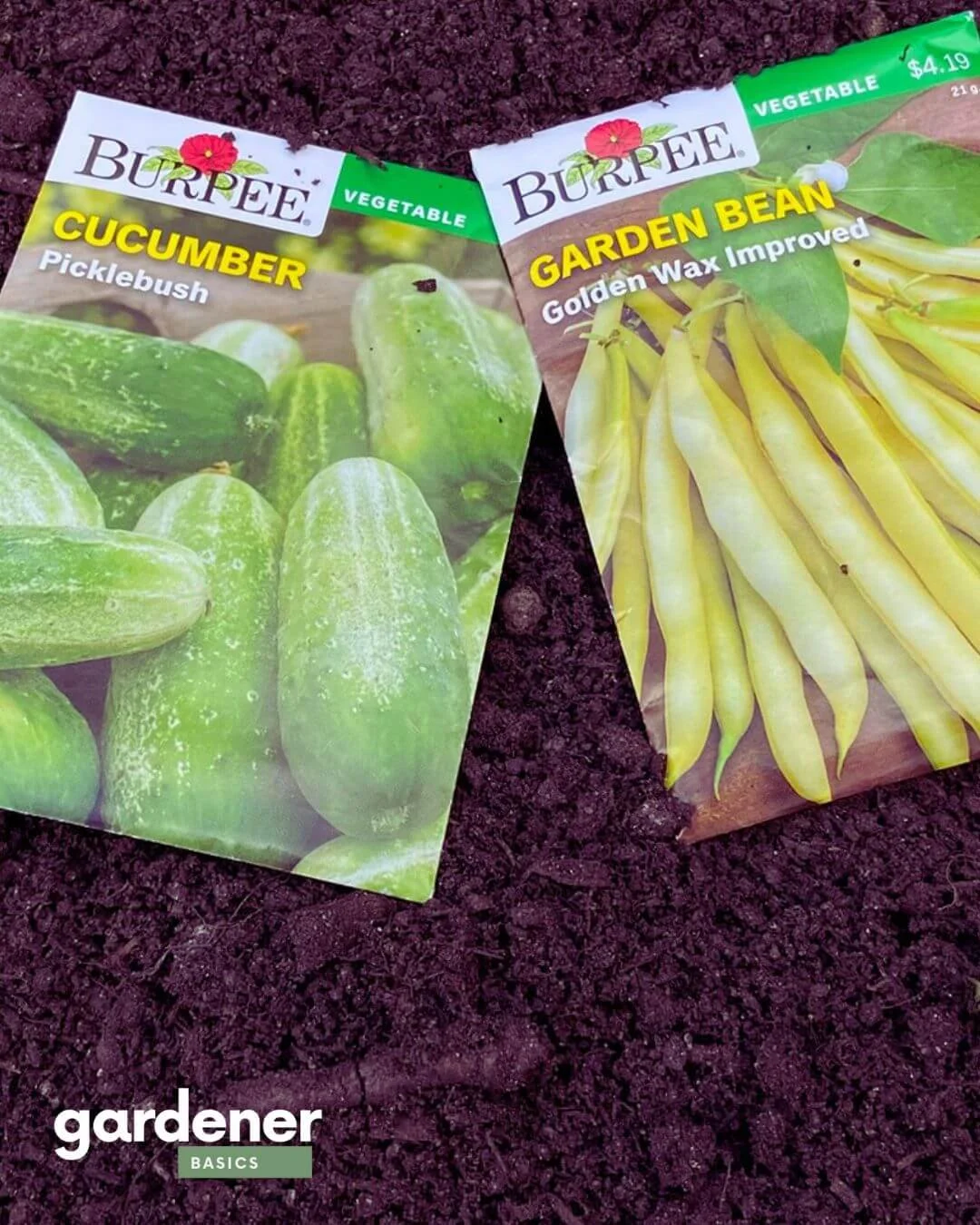
Cucumbers
Michigan State recommends planting cucumbers about one week after the average frost-free date when soil is ~60°F.
This explains why cucumbers can feel easy one year and impossible the next. Cold soil = slow growth and problems.
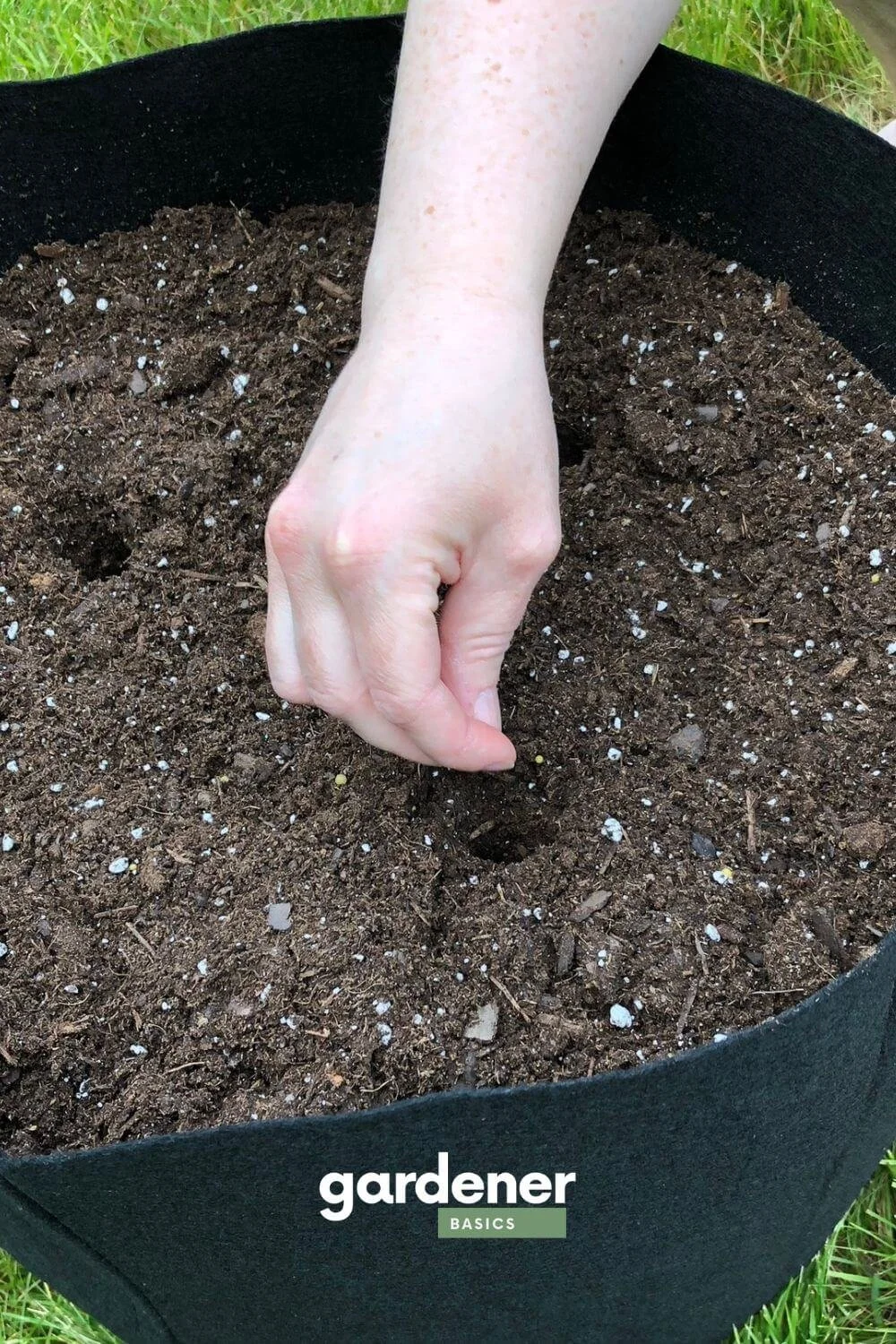
Starting cucumbers from seed.
After last frost (once the soil warms)
Beans
Beans want warm soil. Plant after frost once soil has warmed.
About 2 weeks AFTER last frost (warm soil required)
Zucchini / summer squash + peppers
Summer squash/zucchini: safe around 2 weeks after last frost and when soil is about 70°F.
Peppers: transplant about 2 weeks after last frost (they hate cold nights).
Beginner tip: If you’ve ever planted peppers and they just… sit there… it’s usually temperature, not you.
2+ weeks AFTER last frost (warm soil required)
Sweet corn
Corn does best when you wait until you’re ~2 weeks past the last killing frost and soil temps are near 60°F.
Real Date Examples (Copy these as a model)
These are examples to help you visualize the countdown. Your exact dates should come from the Almanac calculator + planting calendar for your ZIP/postal code.
Example A: If your last frost is March 15
Jan 15–Feb 1 (8–10 weeks before): start peppers indoors
Feb 1–Feb 15 (6–8 weeks before): start tomatoes indoors
Feb 1–Feb 15 (4–6 weeks before): direct sow peas + early greens (if soil workable)
Feb 15–Mar 1 (2–4 weeks before): plant potatoes
Mar 22 (about 1 week after; soil ~60°F): plant cucumbers
Mar 29–Apr 5 (about 2 weeks after; soil ~70°F): plant zucchini + transplant peppers
Late March–April: plant beans once soil is warm
Example B: If your last frost is April 15
Feb 15–Mar 1: start peppers indoors
Mar 1–Mar 15: start tomatoes indoors
Mar 4–Mar 18 (4–6 weeks before): direct sow peas + early greens
Mar 18–Apr 1 (2–4 weeks before): plant potatoes
Apr 22 (about 1 week after; soil ~60°F): plant cucumbers
Apr 29–May 6 (about 2 weeks after; soil ~70°F): plant zucchini + transplant peppers
Late April–May: plant beans and corn once soil is warm

Example C: If your last frost is May 15
Mar 10–Mar 25: start peppers indoors
Mar 25–Apr 5: start tomatoes indoors
Apr 3–Apr 17 (4–6 weeks before): direct sow peas + hardy greens
Apr 17–May 1 (2–4 weeks before): plant potatoes
May 22 (about 1 week after; soil ~60°F): plant cucumbers
May 29–June 5 (about 2 weeks after; soil ~70°F): plant zucchini + transplant peppers
Late May–June: plant beans and corn once soil is warm
The Beginner Starter Garden (low stress, high payoff)
If you want an easy plan that feels like a win fast, plant this:
Early round (before last frost)
peas
lettuce or radishes (use your Almanac planting calendar for the perfect window)
Warm round (after last frost)
bush beans
zucchini/summer squash
tomatoes (start indoors 6–8 weeks before, transplant after frost)
That’s enough to keep you excited and learning without feeling overwhelmed.
The 2 rules that prevent most beginner planting mistakes
Rule 1: Leafy + root crops go earlier. Fruiting crops go later.
Earlier: peas, greens, radishes, carrots, beets
Later: tomatoes, peppers, cucumbers, squash, beans, corn
Rule 2: Warm-season crops care about soil temperature
Cucumbers in ~60°F soil behave like cucumbers.
Cucumbers in cold soil behave like a slow-motion disaster.
Wrap-up: You don’t need perfect timing—you need a plan
If you do just two things, you’ll feel so much more confident:
Get your frost dates from the Almanac calculator
Follow this timeline using “weeks before/after last frost” (and use the Almanac planting calendar for crop-specific windows)
That’s it. You’re not winging it anymore.
PIN IT For Later!



Learn crop rotation the easy way—what it is, why it matters, plant family chart, and simple examples like what to plant after cucumbers and tomatoes.