

How to Dry Lavender (The Easy Way — No Fancy Tools Needed)
I just harvested a big bouquet of lavender from my plant, and if you’re standing there holding yours thinking, “Okay… now what?” — you’re in the right place.
Drying lavender is one of those things that sounds like it might be fussy, but it’s actually super simple. The goal is just to get those stems and buds fully dry without letting them sit in damp conditions (hello, mold) or baking them in direct sun (which can fade the color and scent).
Here’s exactly how I do it.
The items listed are accompanied by affiliate links, meaning I earn a small commission if a purchase is made through my links. This has no impact on the cost to the consumer. I link to products this way whenever possible, and it has no bearing on the products I choose to review or recommend.
Why dry lavender in the first place?
Because once it’s dry, you can use it all over your home:
sachets for drawers + closets
little bowls or vases as natural “potpourri”
simple aromatherapy (I love keeping it on my nightstand for a calming scent)
Drying it properly is what keeps it usable (and not musty).
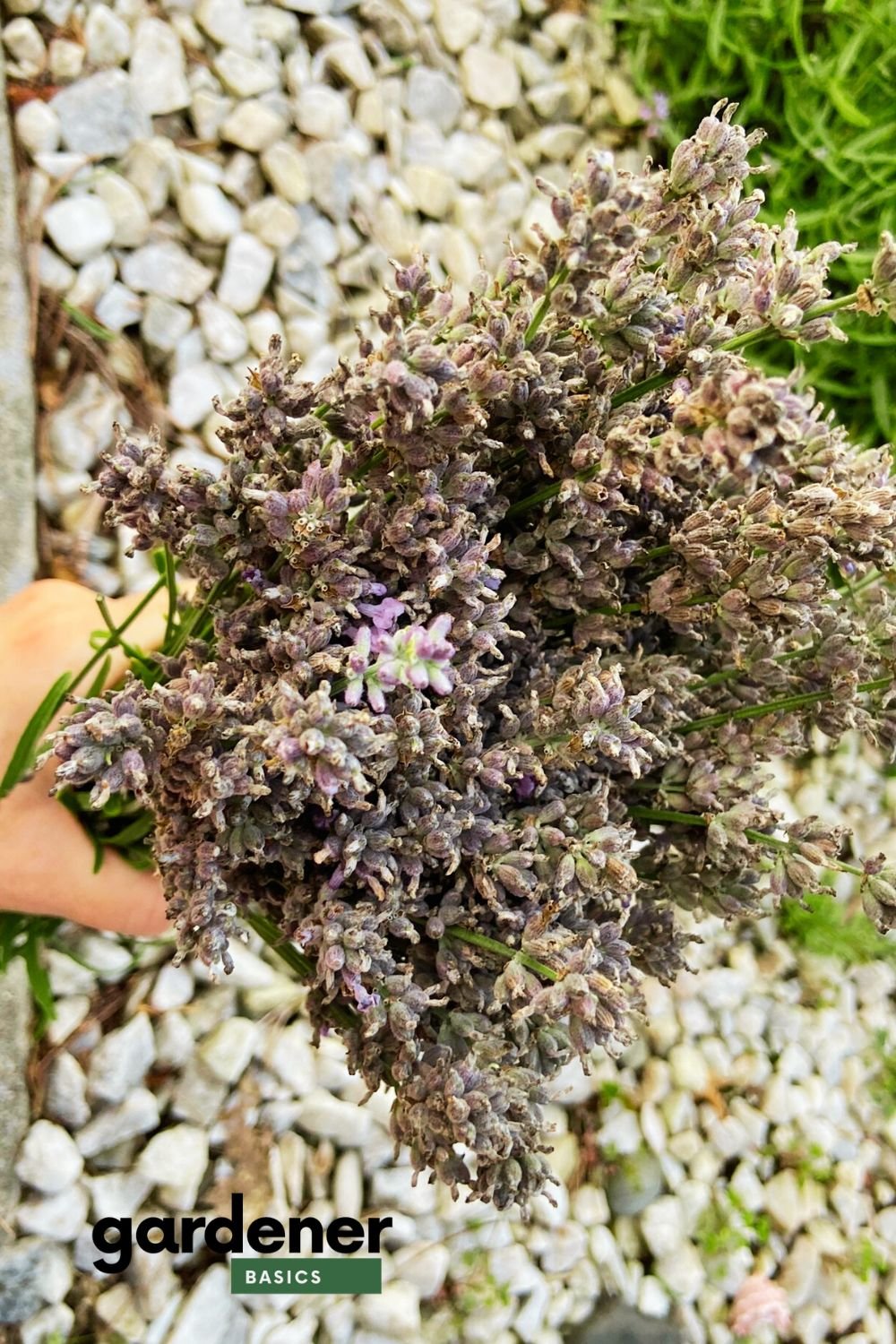
Fresh lavender that I just harvested.

What you’ll need
Nothing complicated:
freshly harvested lavender stems
twine (or string, or a gentle rubber band)
a hook, nail, hanger, or anything you can hang bundles from
Step-by-step: How to dry lavender
1) Bundle your lavender (but don’t squeeze it)
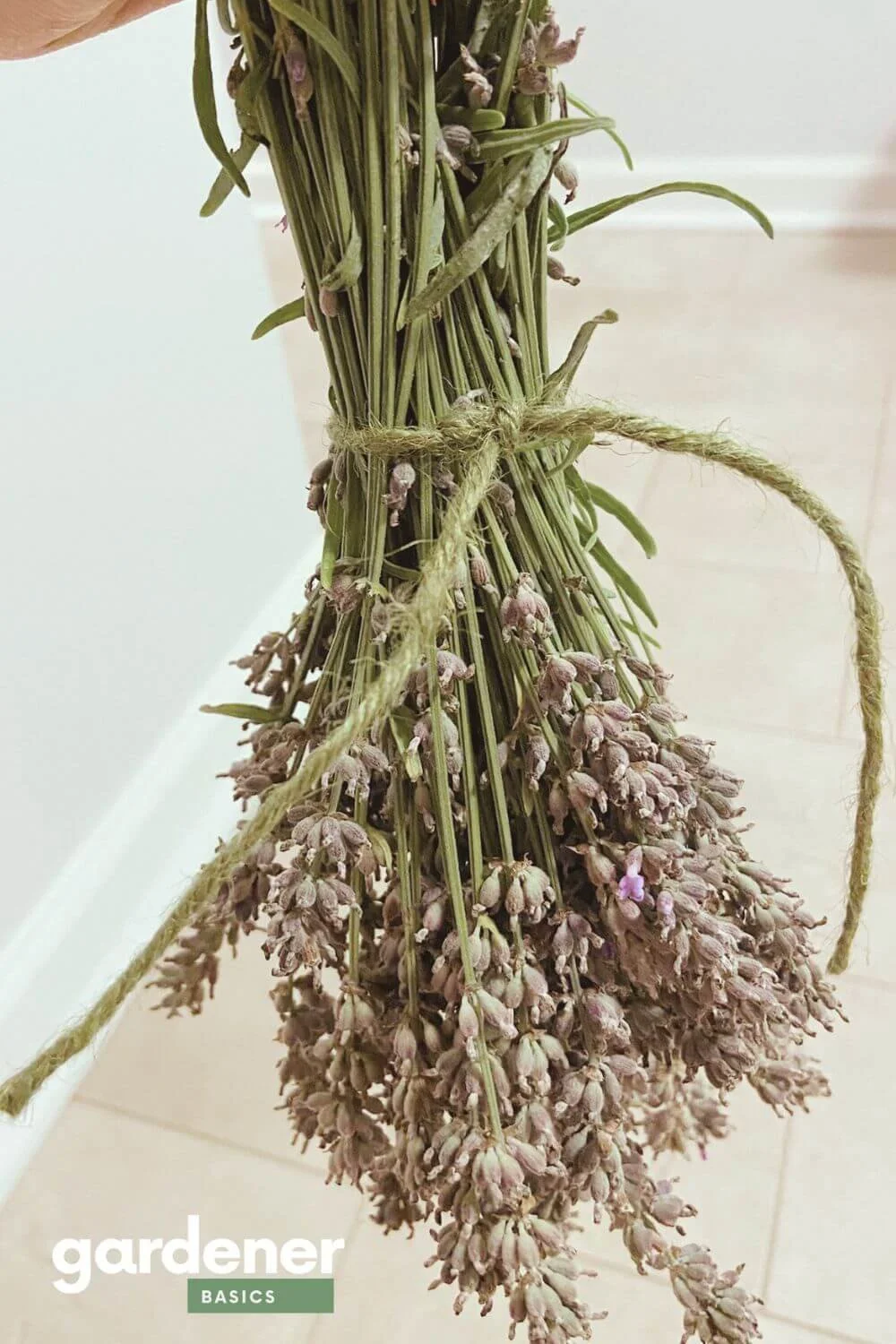
I just bundled my lavender and tied it with twine.
Gather a small handful of stems and tie them together with twine.
Don’t wrap it too tight. You want the bundle secure, but still airy. If it’s packed too tightly, the center won’t dry well and that’s where you can run into mold.
Tip: Smaller bundles dry more evenly than one giant bouquet.
2) Hang it upside down in the right spot
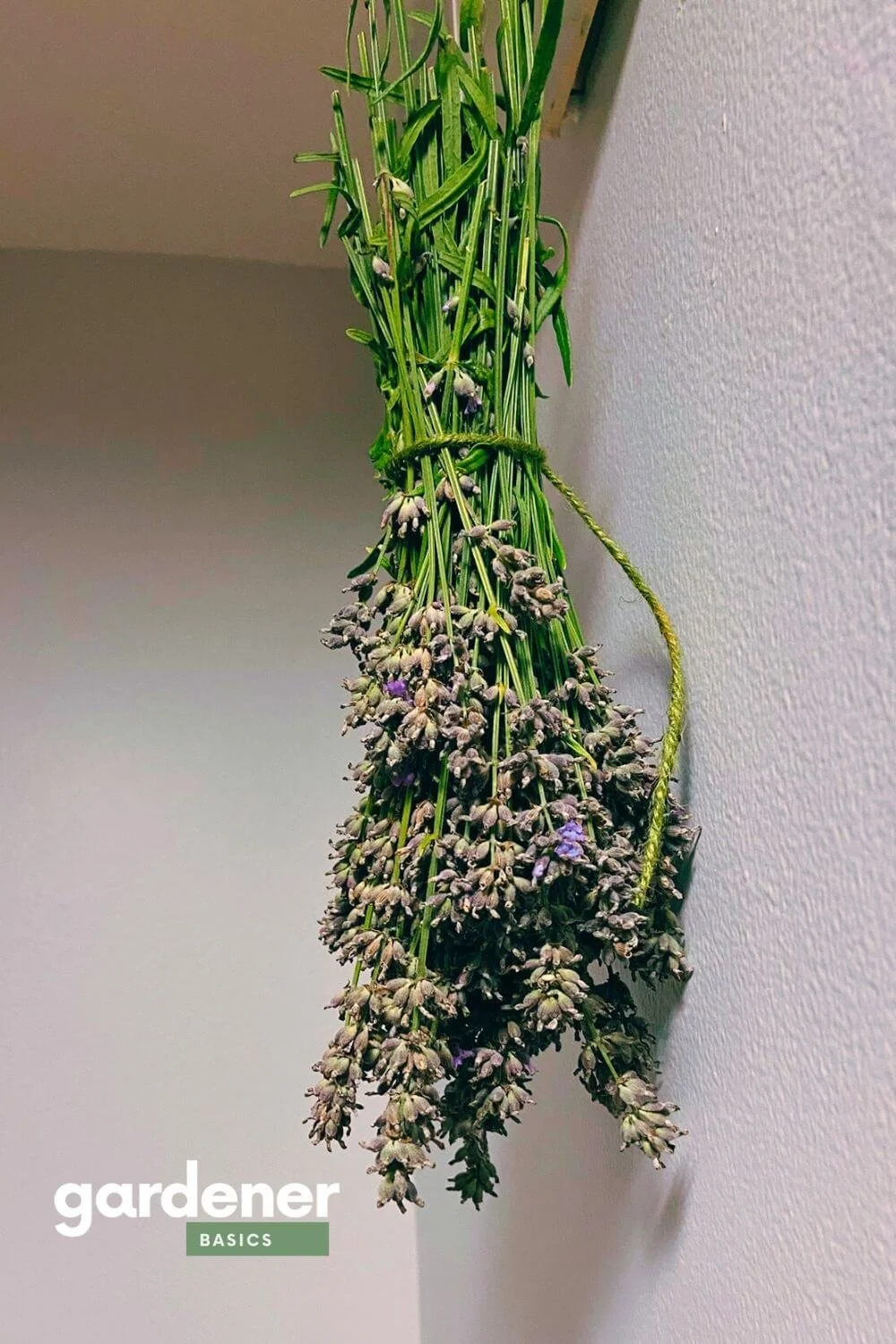
I let me lavender hang away from direct sunlight for 2 weeks.
Hang your bundles upside down in a place that’s:
dry
cool
dark or dim
with decent airflow
A closet, basement, pantry, or spare room works great — as long as it’s not humid.
Avoid direct sunlight. Sun can bleach the color and weaken the scent.
3) Let it dry for 1–2 weeks
Most bundles take about a week to two weeks to fully dry.
You’ll know it’s ready when:
the stems feel crisp/snappy (not bendy)
the buds feel dry and slightly brittle
The #1 mistake to avoid (so it doesn’t get moldy)
Lavender gets moldy when it dries too slowly or stays damp.
If you’re worried about that, here’s what helps:
make smaller bundles
don’t tie them tightly
choose a dry spot with airflow (skip humid rooms)
If you notice a musty smell or visible fuzz, toss that bundle — it’s not worth keeping.
How to remove the lavender buds (the satisfying part)
Once everything is fully dry, you can strip the buds.
I do this gently by holding the stem and popping/rubbing the buds off with my fingers. They’ll fall right into a bowl.
Easy ways to use dried lavender around your home
Here are a few simple ideas that don’t require a DIY degree:
Nightstand lavender: a small dish or sachet near your bed (I find it really relaxing at night)
Drawer sachets: pop buds in little bags and toss into drawers/closets
Natural room scent: a small bowl on a shelf (pretty + smells amazing)
RELATED: Types of Lavender: A Comparison Guide for the Perfect Choice
Quick FAQ About Drying Lavender
Can I dry lavender in the sun?
I wouldn’t. Direct sun can fade it and reduce the fragrance. Dry + dark is the sweet spot.
How long does dried lavender last?
If you store it in a dry container (jar with lid works), it can smell good for a long time. The scent is strongest in the beginning, but you’ll still get that lavender “ahhh” for months.
Do I dry the whole stem or just the buds?
Dry the whole stem first. Once it’s fully dry, then strip the buds.
Bottom line
Drying lavender doesn’t have to be tricky or confusing:
bundle it
hang it upside down in a cool, dark, dry spot
wait 1–2 weeks
strip the buds and enjoy
If you want more easy, no-stress gardening tips like this, make sure to follow along — and if you’re coming from my YouTube video, thanks for being here. 💜
Pin It for Later

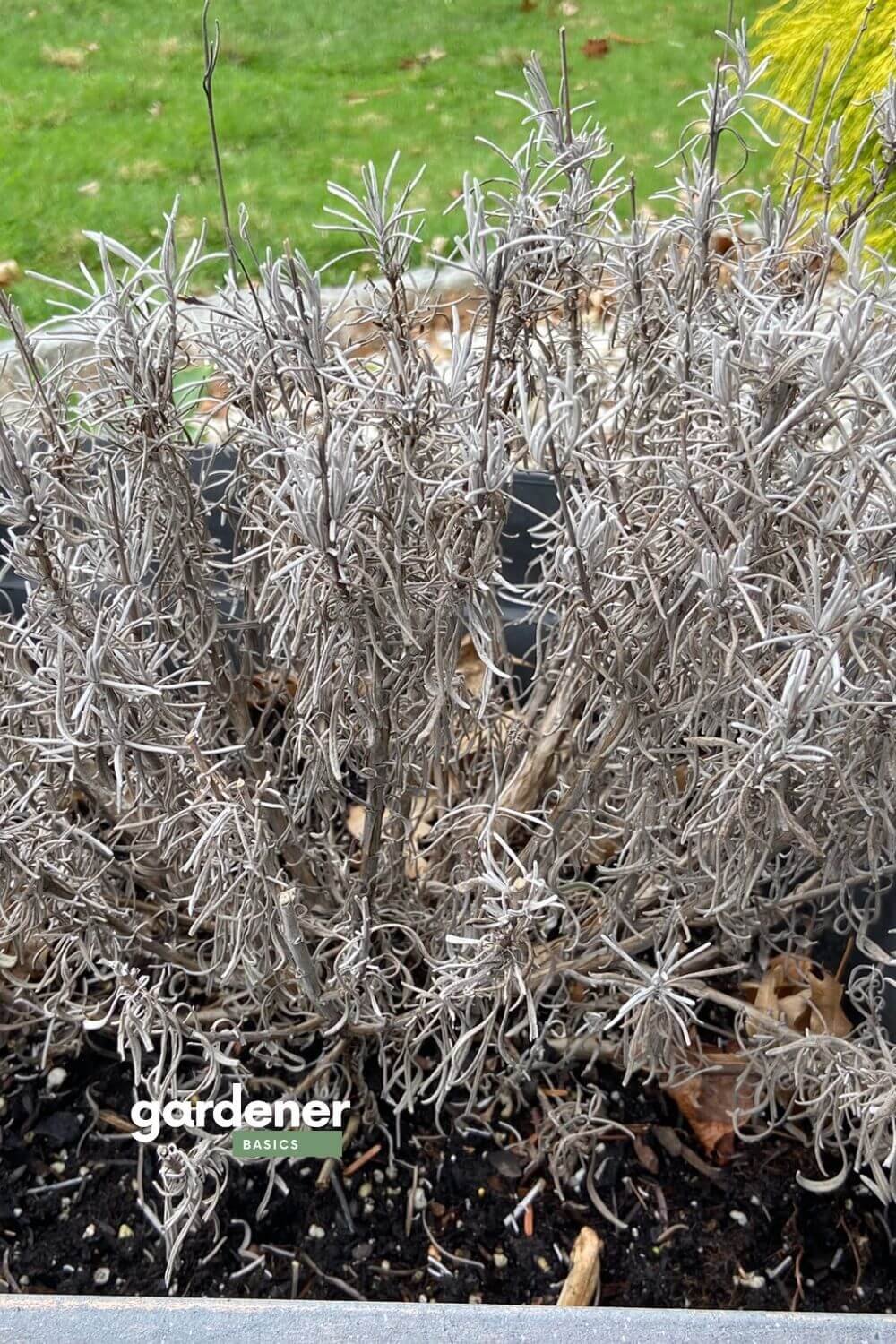
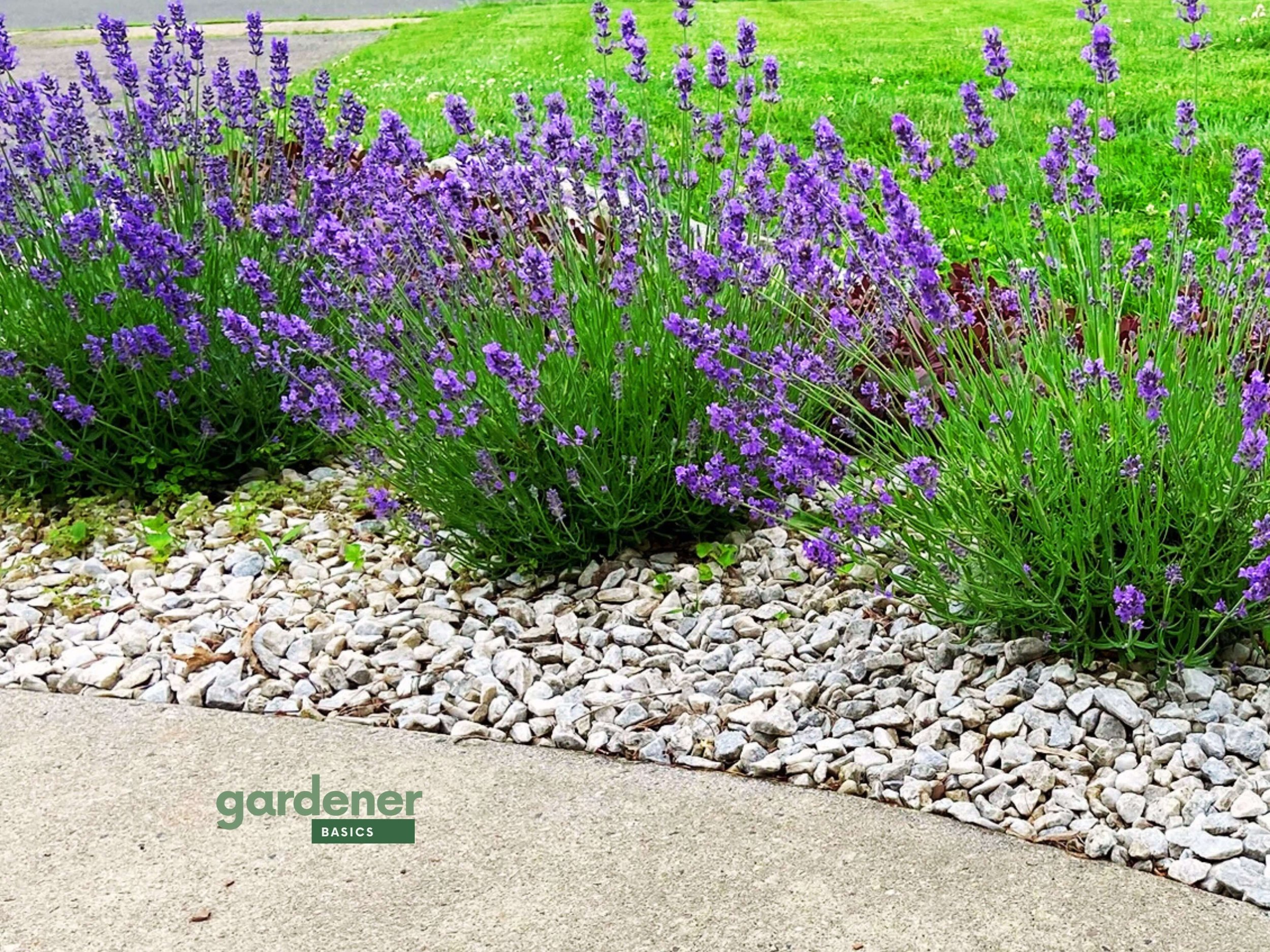

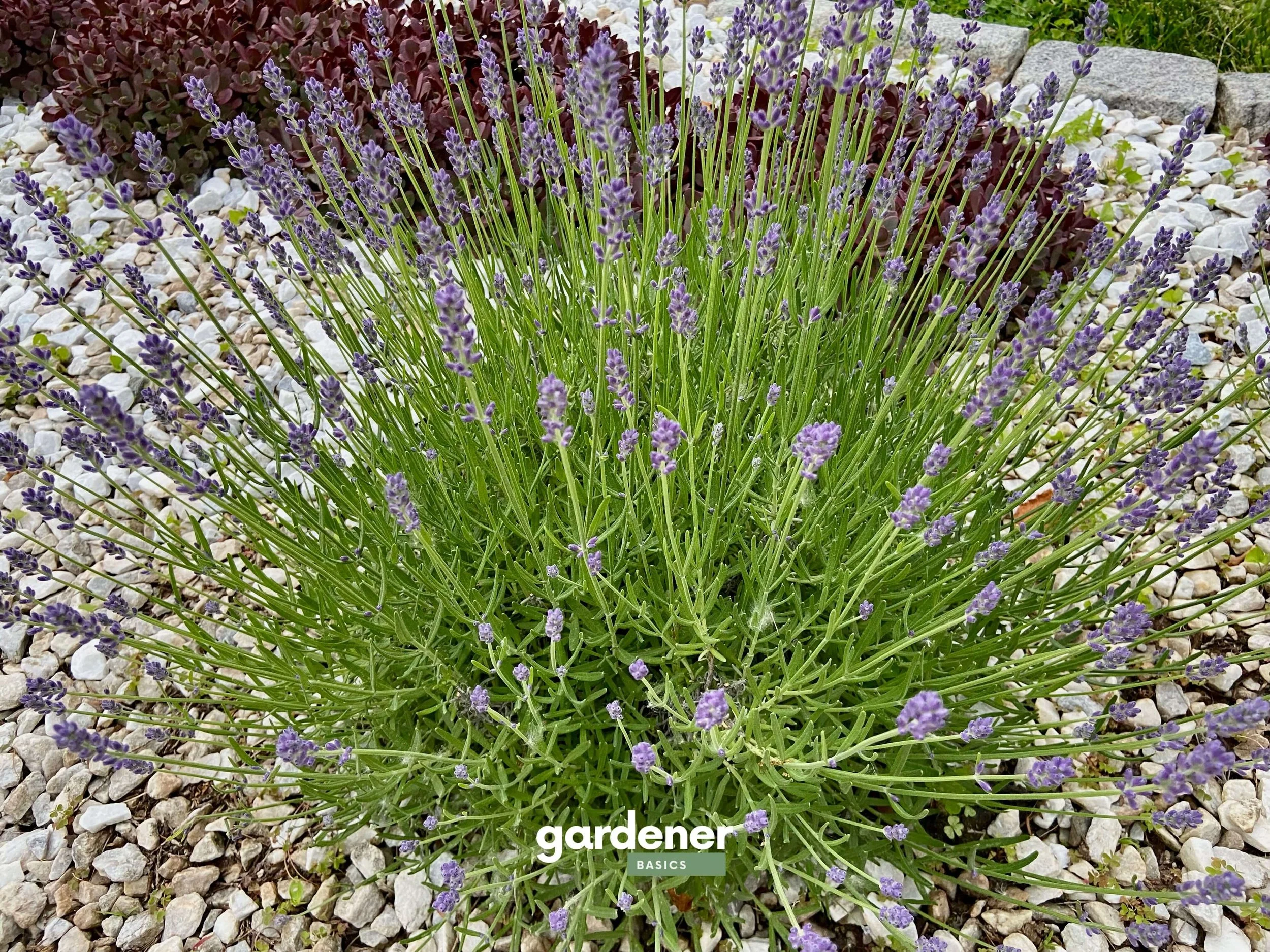
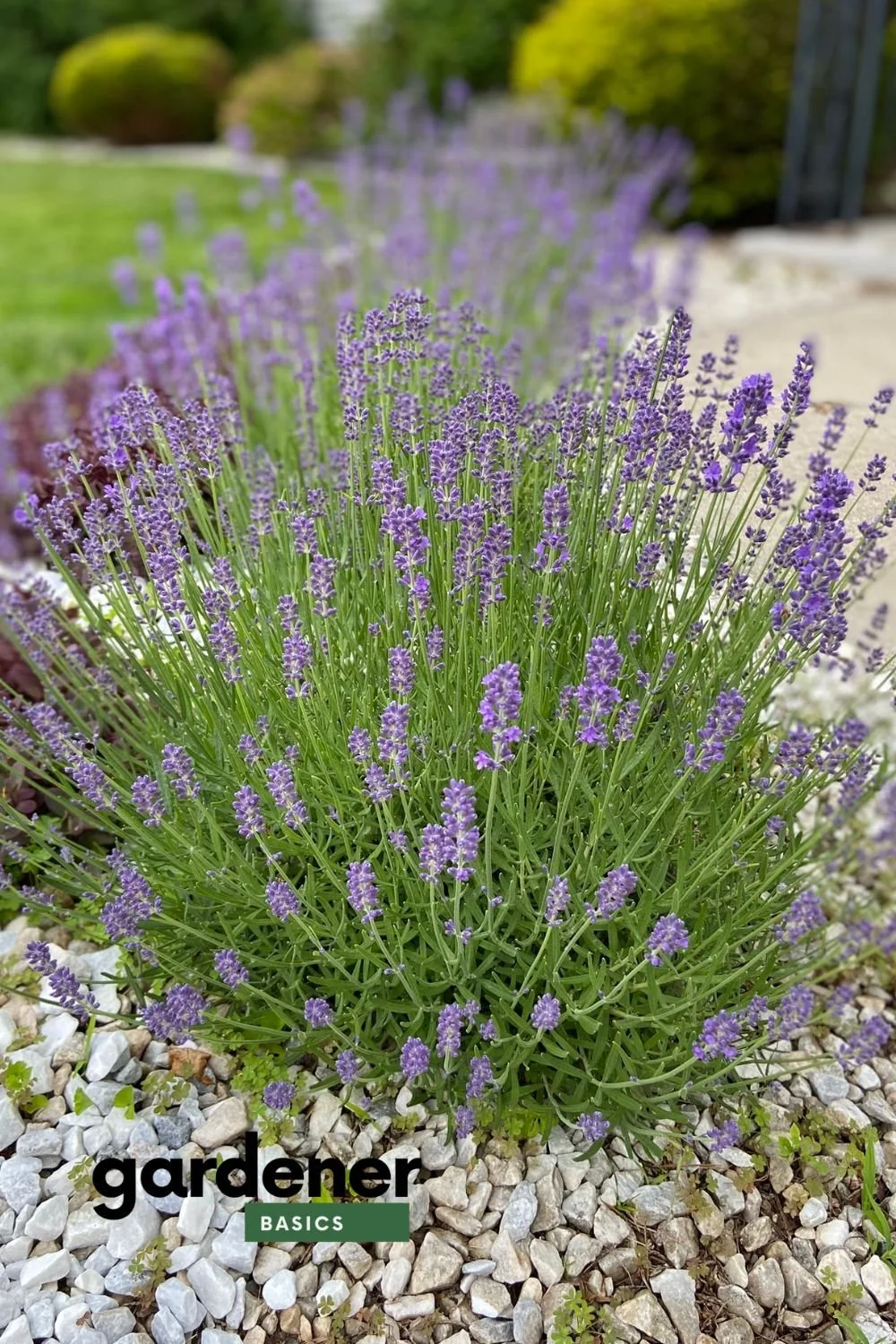
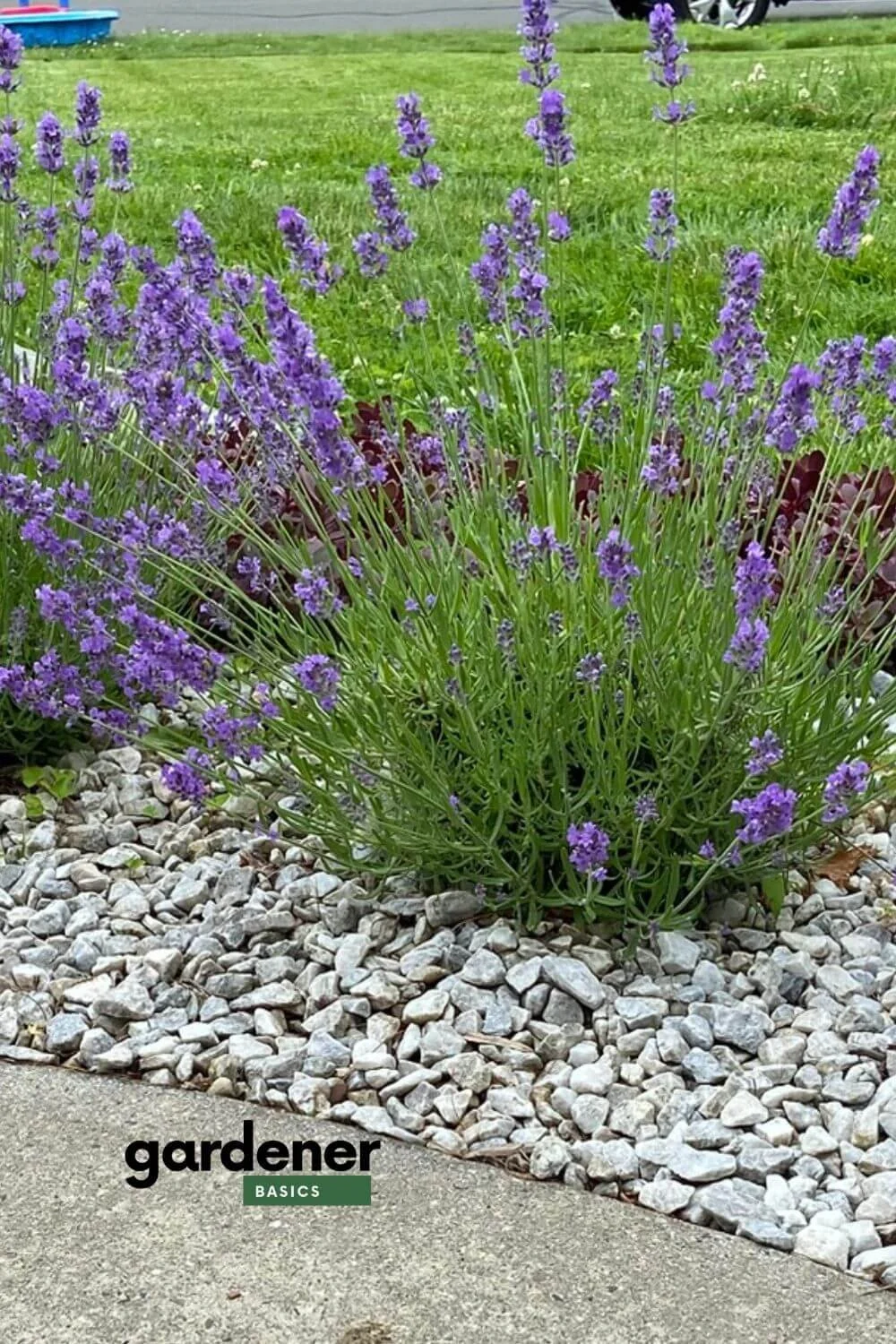

Learn how to dry lavender at home the easy way—bundle, hang, and dry in 1–2 weeks. Plus, how to remove buds and use dried lavender for scent, sleep, and storage.