

Crop Rotation for Home Gardens: The Beginner-Friendly System That Actually Works
If you’ve ever had a fantastic tomato season… and then planted tomatoes in that same spot the next year only to get weaker plants, more disease, and less fruit — welcome to the club.
Most of us assume the solution is more fertilizer, better compost, or a new “miracle” product.
Sometimes it is.
But a lot of the time, your garden isn’t asking for more stuff — it’s asking for a reset.
That reset is crop rotation. And no, it’s not just for big farms. It’s one of the easiest ways to:
keep pests from building a yearly “home base”
reduce repeat diseases
stop your soil from getting drained in the exact same way every season
Let’s break it down in a way that’s actually usable.
The items listed are accompanied by affiliate links, meaning I earn a small commission if a purchase is made through my links. This has no impact on the cost to the consumer. I link to products this way whenever possible, and it has no bearing on the products I choose to review or recommend.
What Crop Rotation is (in real-life terms)
Crop rotation means you don’t plant the same plant family in the same spot year after year.
You rotate families, not just individual crops.
Because your soil and your pests don’t care that you “switched it up” from cucumbers to zucchini. That’s still the same family, with the same issues.
Think of crop rotation like this:
Every plant has a “favorite meal” it pulls from the soil.
Every plant has a set of pests and diseases that tend to follow it around.
If you repeat the same family in the same spot, you’re repeating the same drain on the soil and the same invite to problems.
Why Crop Rotation Works
1) It messes with the pest and disease cycle
A lot of pests and diseases are host-specific — they’re looking for a particular family.
If you grow tomatoes in the same area every year, you can end up with a predictable pattern:
pests overwinter nearby
disease spores linger in soil or debris
spring arrives… and their favorite plant shows up right on schedule
Rotation breaks that “same place, same buffet” cycle.
2) It balances what your plants take from the soil
Here’s the part most people sort of understand, but not clearly.
Different crops have different appetites:
Heavy feeders (big appetite)
These are the crops that tend to use a lot of nutrients to grow fast and produce fruit/leaves:
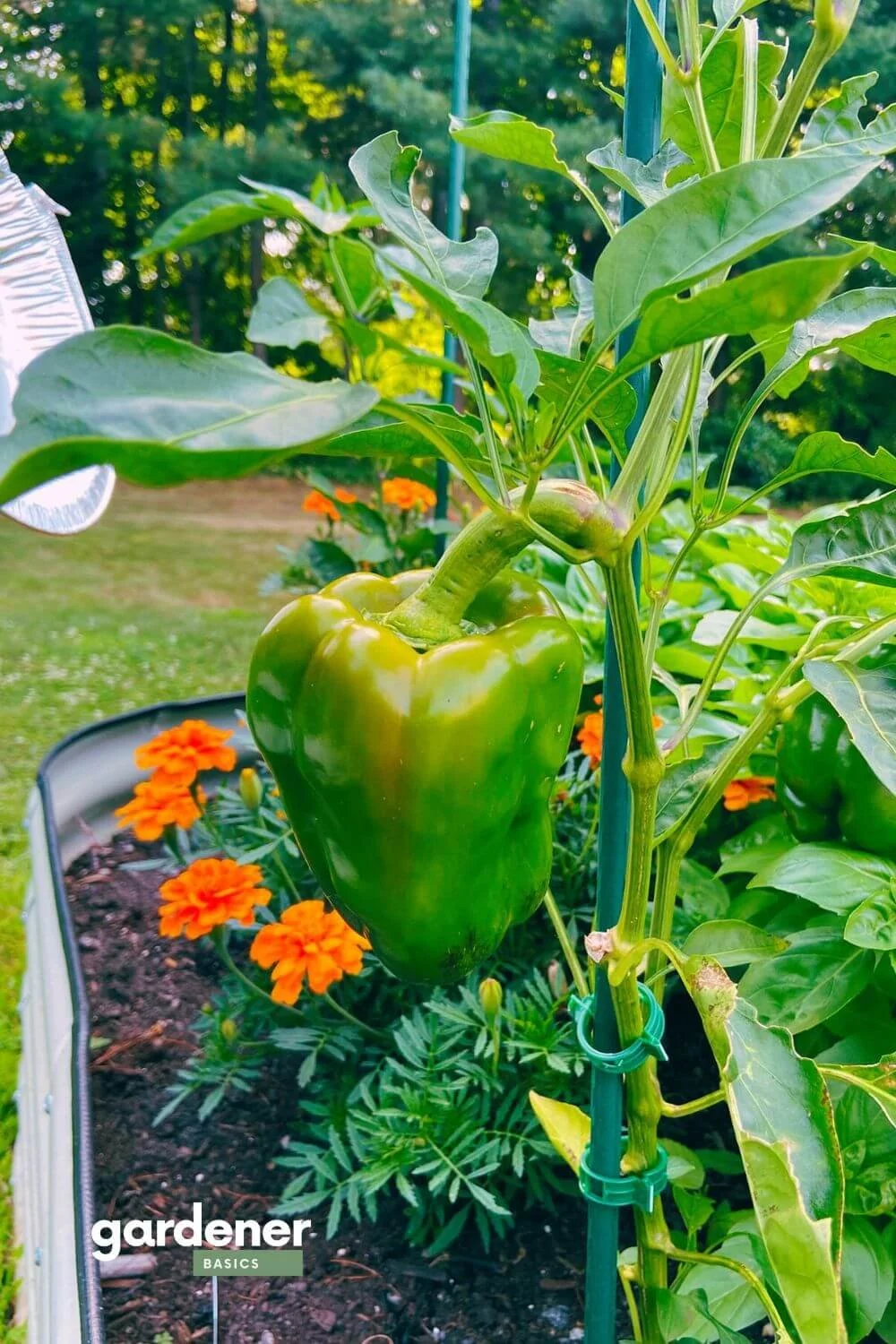
Peppers are heavy feeders and part of the nightshades.
tomatoes, peppers, eggplant, potatoes (nightshades)
cucumbers, squash, pumpkins, melons (cucurbits)
broccoli, cabbage, kale (brassicas)
corn (extra hungry)
Light feeders (smaller appetite)
These don’t pull nearly as much from the soil:
carrots, beets, radishes
onions, garlic, leeks
many herbs and leafy greens
The “helpers” (legumes)
Beans and peas are special because they partner with beneficial bacteria that help convert nitrogen into a form plants can use.
Real talk: legumes don’t instantly “fertilize your bed” like magic dust.
But they do support soil nitrogen over time — and they’re an excellent follow-up after something that really worked the soil hard.
That’s why a simple home rotation often looks like:
Heavy feeder → legumes → light feeder → back to heavy feeder
The Plant Families That Matter in a Home Garden
You do not need to memorize Latin names. You just need the “garden buckets.”
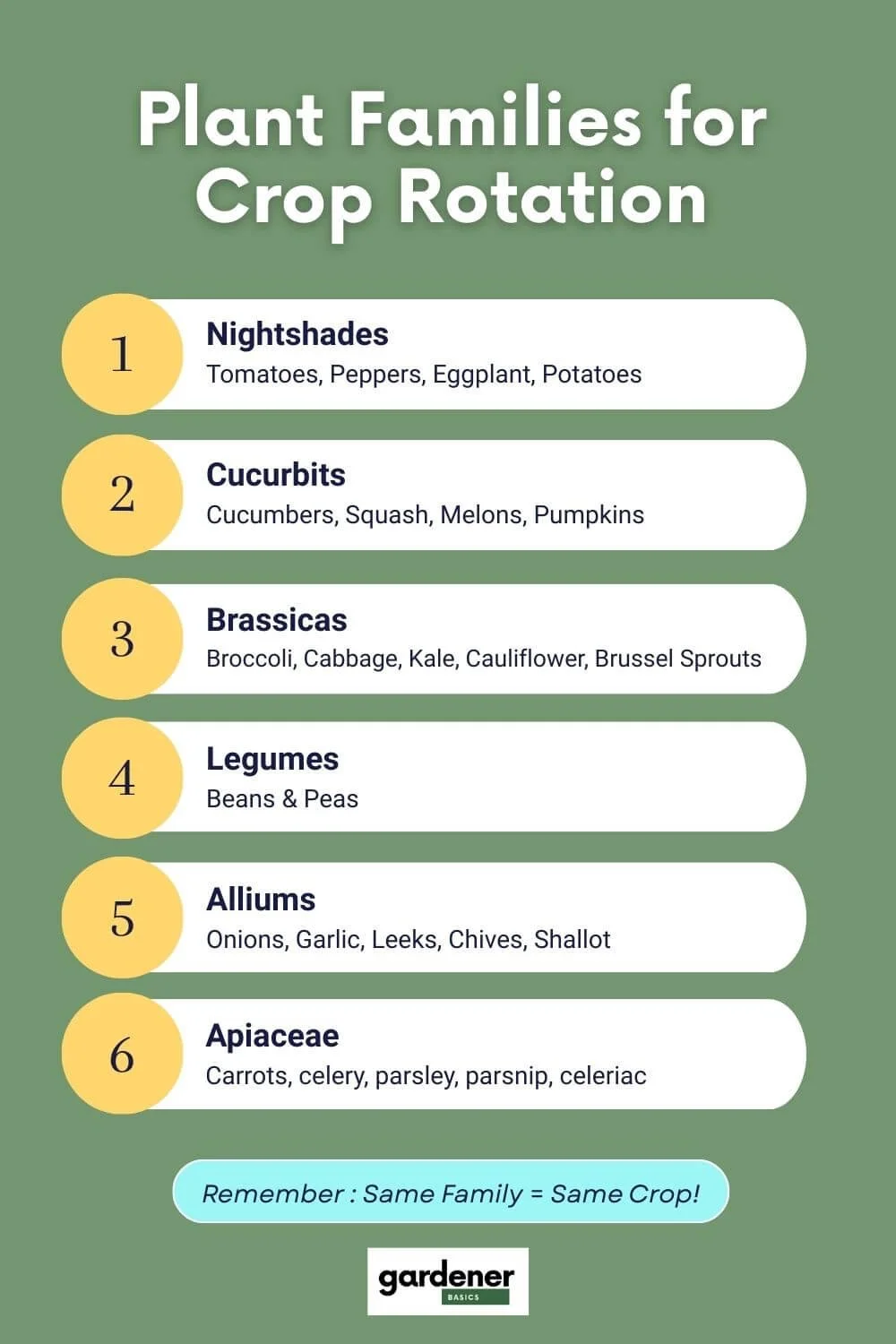
Golden rule: don’t follow a crop with its cousin.
Cucumbers last year? No cucurbits there this year.
Tomatoes last year? No nightshades there this year.
Practical Examples
The cucumber scenario: “What can I plant there this year?”
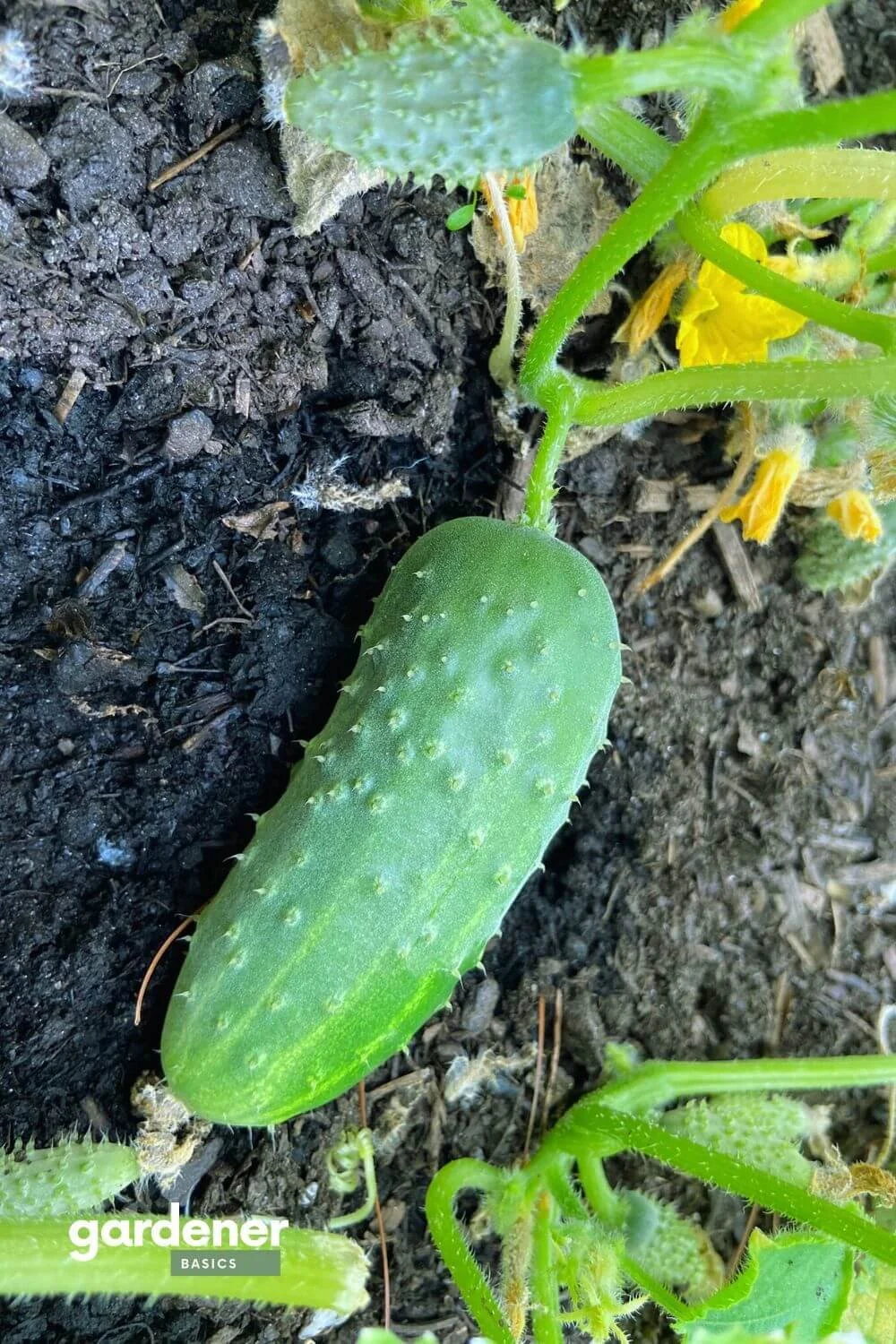
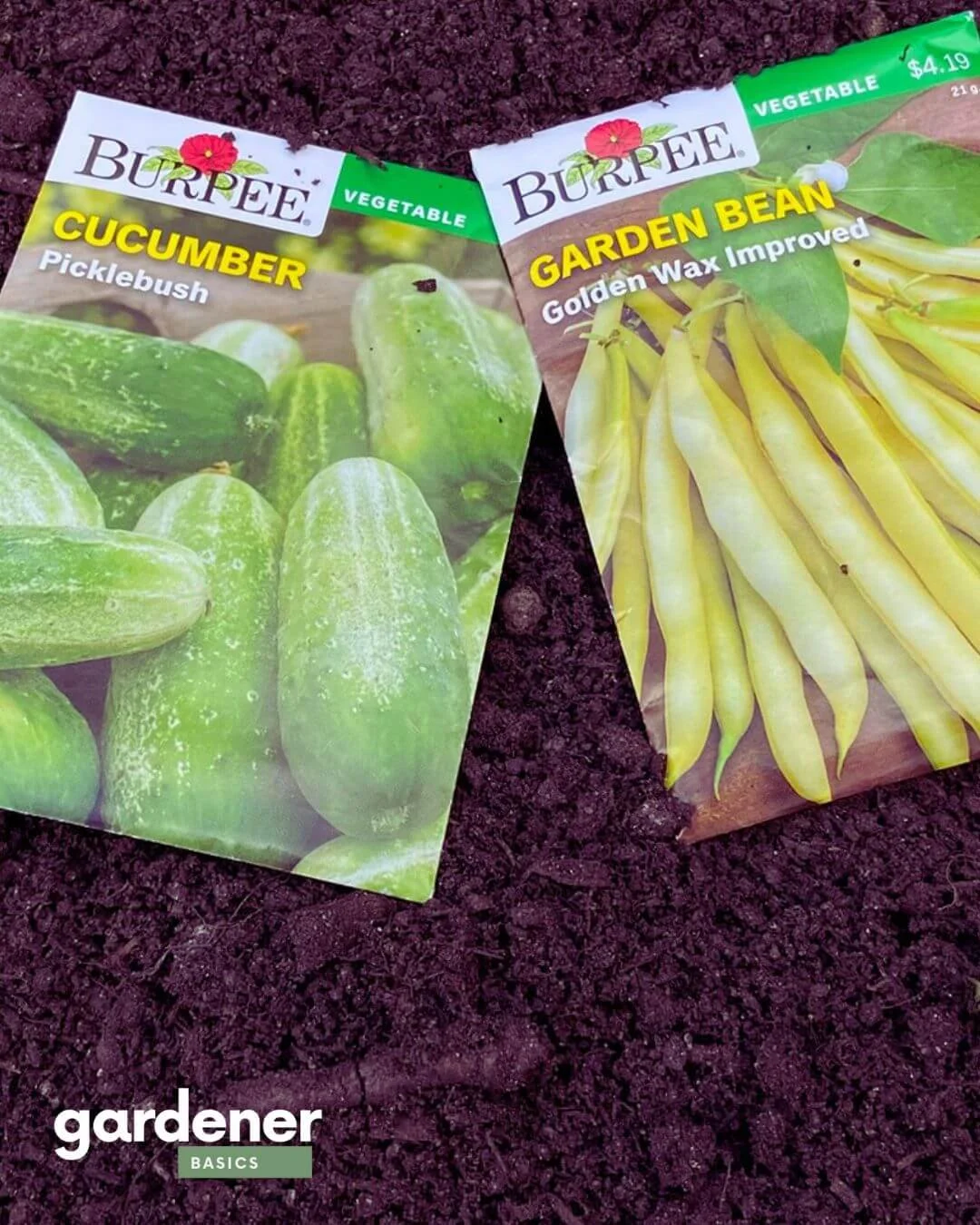
Cucumber are in the cucurbit family.
Let’s say last year you had a cucumber trellis in the back corner of a bed.
Don’t plant this there this year (same family)
zucchini
pumpkins
any squash
melons
cucumbers again
Plant this there this year (best options)
Option 1: Use the same trellis — plant pole beans
This is one of my favorite “work smarter” swaps because you keep the same setup and still rotate correctly.
Option 2: Plant peas (early season)
Peas are great if timing works for your spring.
Option 3: Give the soil a break with light feeders,
onions/garlic
carrots/beets
lettuce/spinach/arugula
Why these work: you’re changing the plant family (so pests/disease don’t repeat), and you’re not following a moderate/heavy feeder with another heavy feeder.
The tomato scenario: “My bed is tired. Now what?”
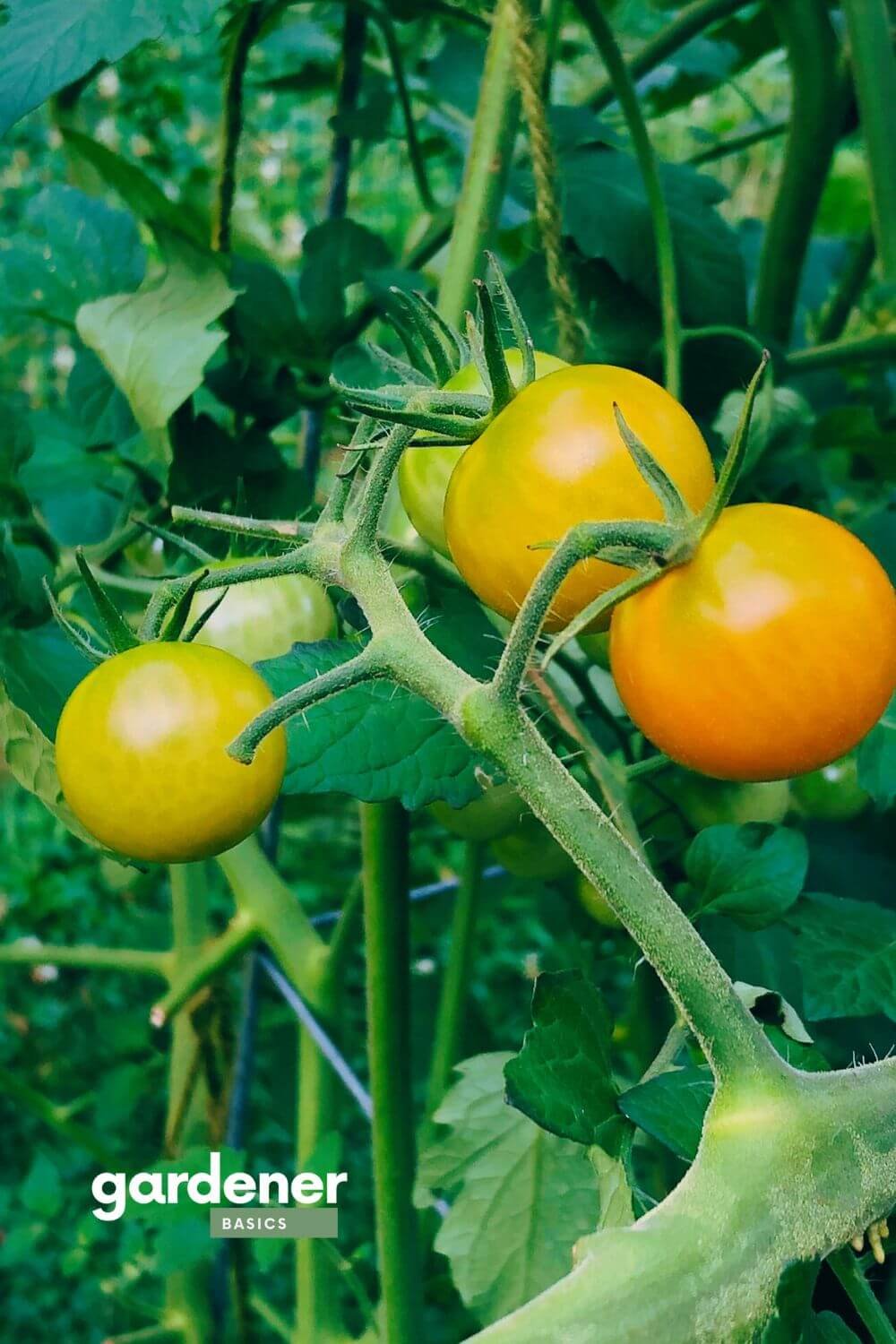
Tomatoes are part of the nightshades.
Tomatoes are heavy feeders. They leave the soil feeling like it ran a marathon.
Don’t plant after tomatoes
peppers
potatoes
eggplant
(That’s just tomatoes in a different outfit.)
What to plant after tomatoes
beans or peas (great “recovery year”)
onions/garlic
carrots/beets/leafy greens
If you want an easy mental shortcut:
Tomatoes → beans → carrots/onions → back to tomatoes (in a different spot)
A Simple Rotation Plan That Actually Fits Real Gardens
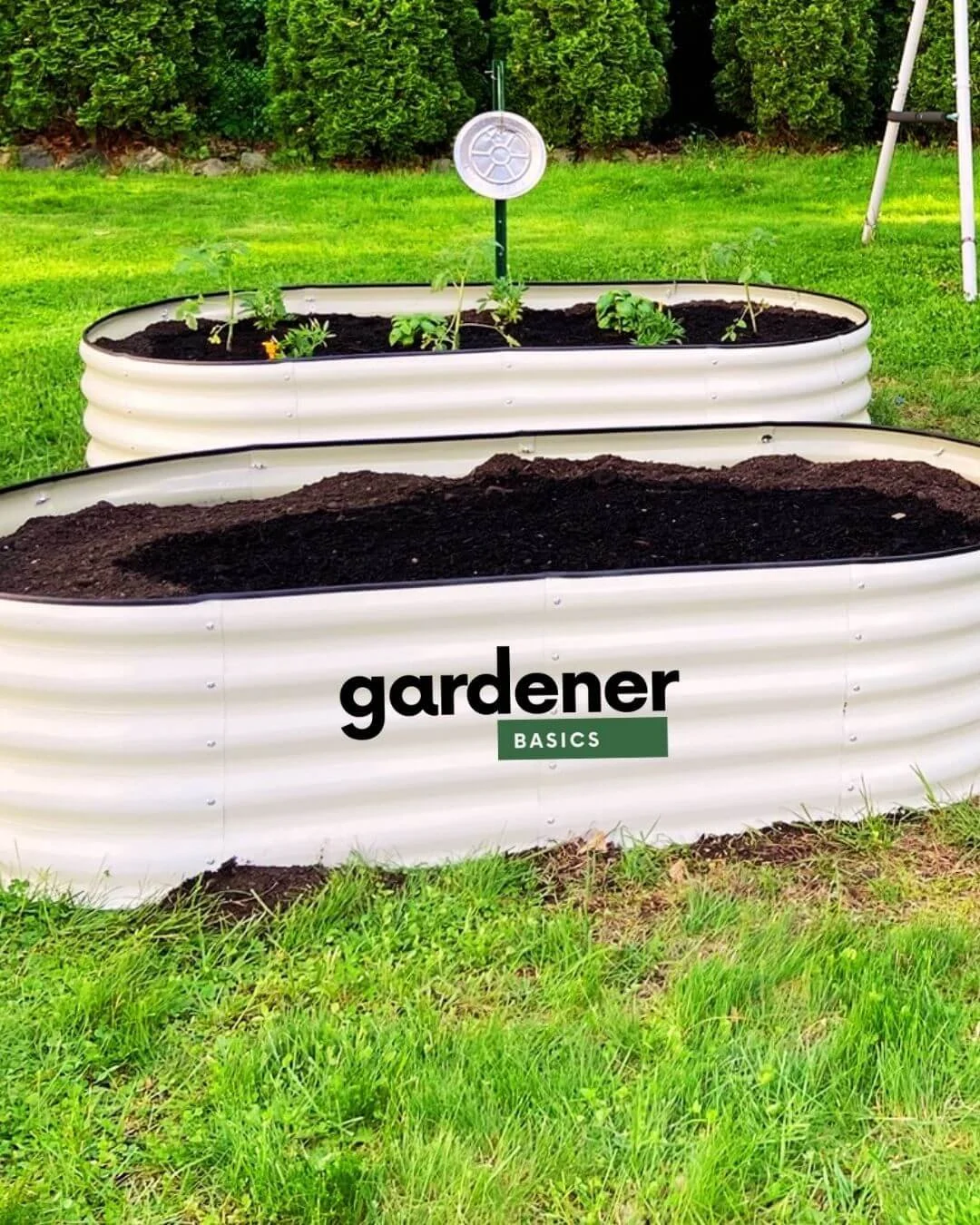
If you have 4 raised beds (or 4 clear sections)
This is the classic “move everything over one bed each year” system.
Year 1
Bed 1: Legumes (beans/peas)
Bed 2: Brassicas (broccoli/kale/cabbage)
Bed 3: Roots + alliums (carrots/onions/garlic)
Bed 4: Nightshades + cucurbits (tomatoes/cucumbers/etc.)
Year 2
Shift each group one bed over:
Bed 1: Nightshades + cucurbits
Bed 2: Legumes
Bed 3: Brassicas
Bed 4: Roots + alliums
Why it works: heavy feeders get followed by legumes or lighter crops, and plant families don’t repeat in the same spot.

If you have ONE bed (the most common situation)
You rotate by zones, not beds.
Mentally split your bed into 3–4 chunks:
back left
back right
front left
front right
Then each year, move families to a new chunk.
Example:
Last year, the back left was cucumbers (cucurbits)
This year, the back left becomes pole beans (legumes)
Cucumbers move to a different chunk entirely
Even shifting a few feet helps because you’re not repeating the same family in the exact same pocket of soil.
The Crop Rotation Mistakes That Keep People Stuck
These are the ones I see all the time:
Mistake #1: Rotating by crop name, not family
Cucumbers → zucchini is not a rotation. That’s repeating the same family.
Mistake #2: Putting heavy feeders after heavy feeders
Tomatoes → broccoli → corn in the same spot is basically a soil stress test.
Mistake #3: Forgetting the “volunteers” count
If you let last year’s tomato volunteers grow in the same area, that spot is still functioning like a nightshade bed.
Mistake #4: Never writing it down
You will swear you’ll remember. You won’t. (Spring brain is real.)
How to Keep Track
Pick one method. Don’t overcomplicate it.
Option 1: One photo + one sentence
Take a mid-summer photo and label it:
Bed 1: tomatoes (nightshades), Bed 2: cucumbers (cucurbits)….
Option 2: A 30-second sketch
Draw rectangles in a notebook and write:
Back left: cukes (cucurbits), front: carrots (roots)
Option 3: Plant markers you actually keep
Durable stakes or a simple map in your phone notes.
Beginner Crop Rotation FAQ
Does crop rotation really matter in a small garden?
Yes — even if you only shift crops a few feet. It’s not magic, but it helps because you’re not repeating the same family in the exact same soil pocket where pests and disease like to hang out.
If you only have one bed, rotate by zones (back left/back right/front left/front right). That’s enough to make a difference.
What about containers or grow bags?
If you completely dump and refresh potting mix each year, rotation matters less.
But if you reuse the same soil year after year (a lot of us do), rotation still helps. At minimum:
don’t repeat the same family in the same container
refresh with compost each season
top up with a balanced fertilizer for heavy feeders
I grow tomatoes every year… where am I supposed to put them?
Totally normal. Tomatoes are a staple.
The goal isn’t “never grow tomatoes.” The goal is don’t grow them in the same spot every year.
If you have limited space:
put tomatoes in the “best sun” area
rotate everything else around them
and try not to place peppers/eggplant/potatoes in that same tomato spot the following year
Do I need to rotate herbs too?
Not usually. Most herbs are light feeders and not as prone to soil-borne issues the way veggie families are. The exceptions are herbs you grow like annual crops (like basil) — but even then, it’s not the priority.
What if I forget what was planted where?
You will. Everyone does.
Here’s the easiest fix:
take one mid-summer photo
label it in your phone: 2026 garden layout
That’s it. That one photo saves you from guessing next spring.
Can I “fix” tired soil without rotating?
You can improve it with compost and fertilizer, but rotation is what helps with the repeat pest/disease cycle. The best gardens do both:
feed the soil (compost)
and rotate crops (so problems don’t build up)
Quick Cheat Sheet: What should follow what?
If you want the simplest “good enough” rotation:
After tomatoes/peppers: beans/peas, onions/garlic, carrots/greens
After cucumbers/squash: beans/peas, onions/garlic, carrots/greens
After broccoli/kale/cabbage: beans/peas or roots/leafy
After beans/peas: anything heavy-feeding does well next (tomatoes, cucurbits, brassicas)
Bottom Line
Crop rotation isn’t about perfection. It’s about not making your garden fight the same battle in the same place every year.
Even one smart swap — like cucumbers → beans or tomatoes → onions — is a win.
Action steps you can do today
Sketch your bed(s)
Write last year’s crops + their families
Choose this year’s heavy feeders first, then rotate everything else around them
PIN IT For Later!



Learn crop rotation the easy way—what it is, why it matters, plant family chart, and simple examples like what to plant after cucumbers and tomatoes.