

Walking into a garden center for the first time is honestly a lot.
You’ve got tables packed with perfect little green plants (starts/transplants), all lined up like they’re begging you to take them home. And it feels like the easy button, right? Buy the plant, stick it in the ground, harvest dinner.
And sometimes that’s true.
But after years of trial-and-error (and more than a few “why does this look worse now?” moments), I’ve learned this: some vegetables just don’t love being transplanted. They’re not being dramatic—they just grow better when they can sprout and settle in where they’ll live for the season.
The good news? Starting from seed doesn’t have to be complicated or intimidating. For a lot of these veggies, you don’t need a fancy setup or grow lights or a whole seed-starting station. You just need decent soil, a packet of seeds, and the patience to keep the soil lightly moist until they pop up.
This guide will walk you through the vegetables that truly shine when you direct sow them, why that matters, and how to set yourself up for better results—without wasting money on transplants that were never going to thrive.
The items listed are accompanied by affiliate links, meaning I earn a small commission if a purchase is made through my links. This has no impact on the cost to the consumer. I link to products this way whenever possible, and it has no bearing on the products I choose to review or recommend.
Why Bother Starting From Seed?
Before we jump into the list, let’s talk about why this even matters.
Buying starts feels like a shortcut, but for certain vegetables, that “shortcut” can turn into a detour… and then you’re standing in the garden staring at a plant that just isn’t taking off, wondering what you did wrong.
Usually, you didn’t do anything wrong. It’s just the plant.
1) You avoid transplant shock
Some vegetables (especially root crops) hate having their roots disturbed. Even if you plant carefully, moving them from a little cell pack into the garden can stress them enough to stunt growth—or mess with the part you’re trying to harvest.
2) You grow stronger, more resilient plants
A seed that sprouts in your own soil adapts from day one. The roots grow where they want to grow, in the conditions they’ll actually be living in. That often means better growth, better production, and fewer setbacks.
3) It’s cheaper (like… a lot cheaper)
A seed packet costs a few dollars and can give you dozens (sometimes hundreds) of plants. Compare that to paying the same price for one or two transplants, and seed starts making sense real fast.
4) You unlock way more variety
Garden centers have limited space, so they stock the most common varieties. With seeds, you can grow the fun stuff—purple carrots, striped beets, unusual lettuces, heirloom beans—things you’ll almost never see on those nursery tables.
The All-Star Veggies to Grow From Seed
If you want to feel like you know what you’re doing (even when you’re still learning), start here.
1. Root Vegetables: Carrots, Radishes, Parsnips, and Beets
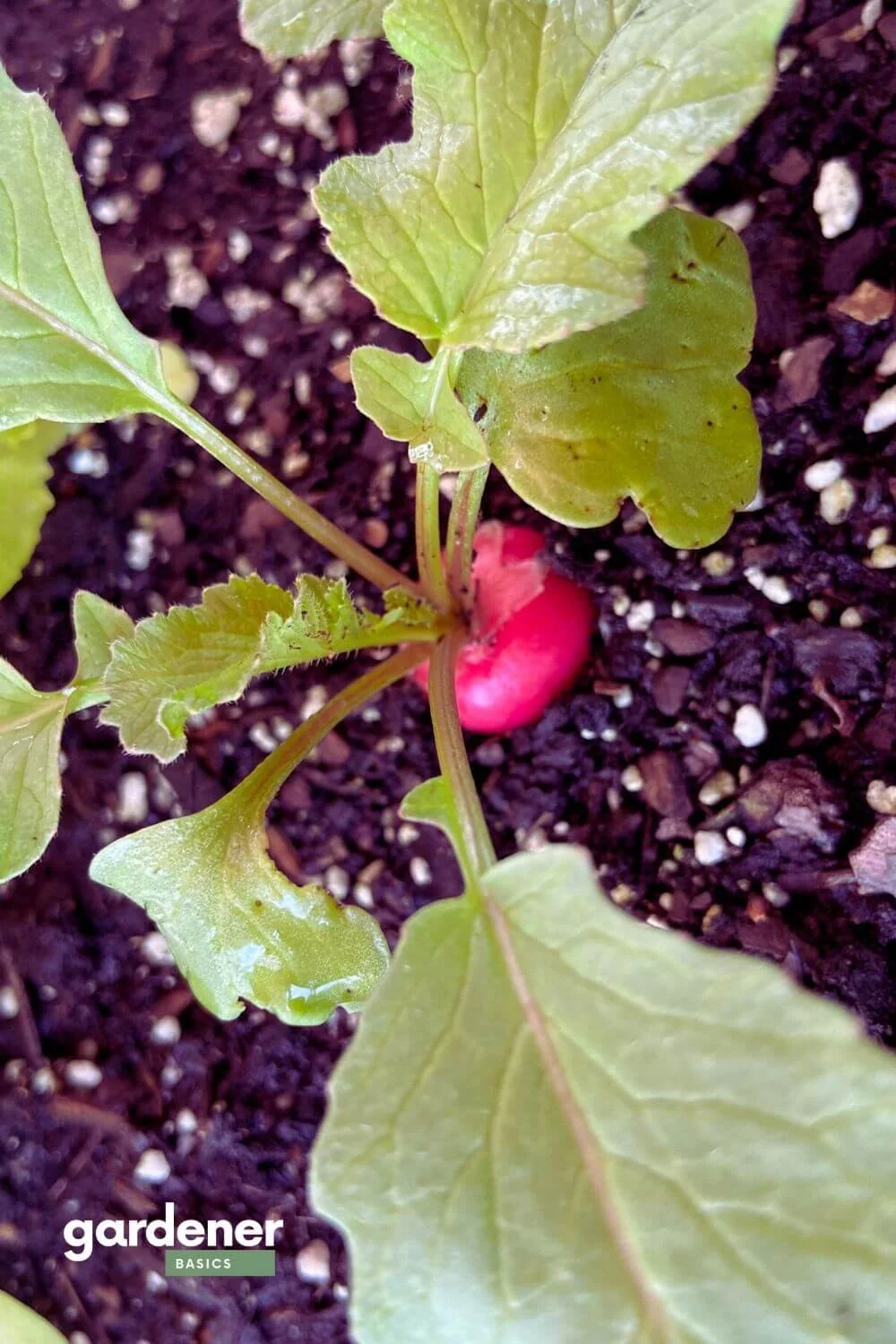
Radishes started from seed.
This is my number one non-negotiable group: grow these from seed.
Why from seed?
These plants are all about the taproot—the part you want to harvest. When a carrot or parsnip germinates, it sends a main root straight down. If you transplant it, that taproot can get bent, damaged, or interrupted… and that’s when you end up with the sad, forked, stubby carrots that look nothing like the picture on the seed packet. Radishes and beets can tolerate a little more, but they still do best when they’re not moved around.
Gardener tip (the one that actually makes the difference):
Root vegetables don’t need fancy fertilizer. They need loose, rock-free soil.
Before you sow:
loosen the soil 8–10 inches deep
pull out rocks and hard clumps (this matters more than people realize)
plant seeds shallow, cover lightly, and keep the top layer consistently moist until they sprout
Tiny carrot seeds drying out is one of the most common reasons people think “carrots are hard.” They’re not hard… they’re just picky about moisture at the start.
RELATED: Twisted Carrots, Straight Solutions: Why It Happens & How to Fix It
2. Legumes: Peas, Beans
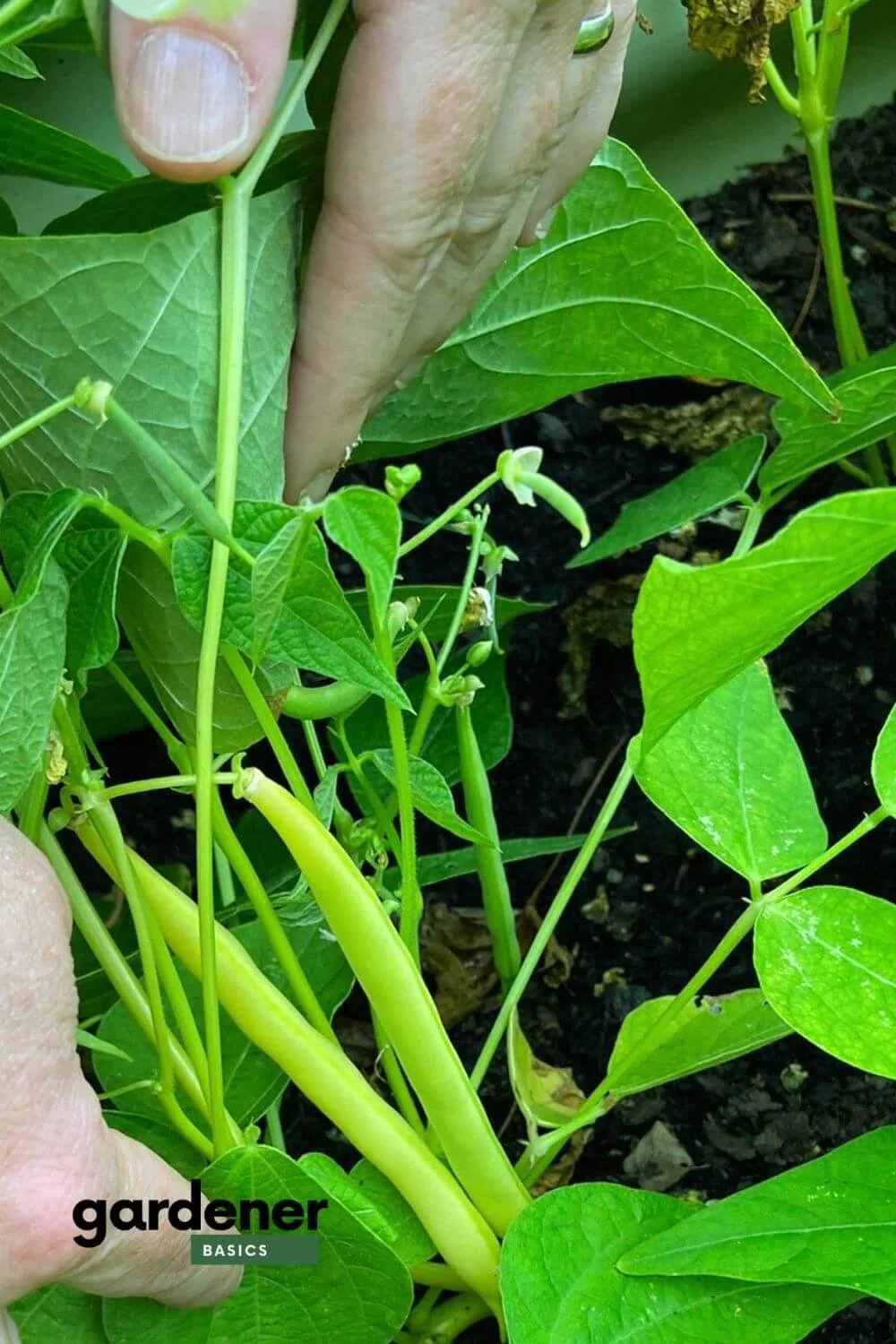
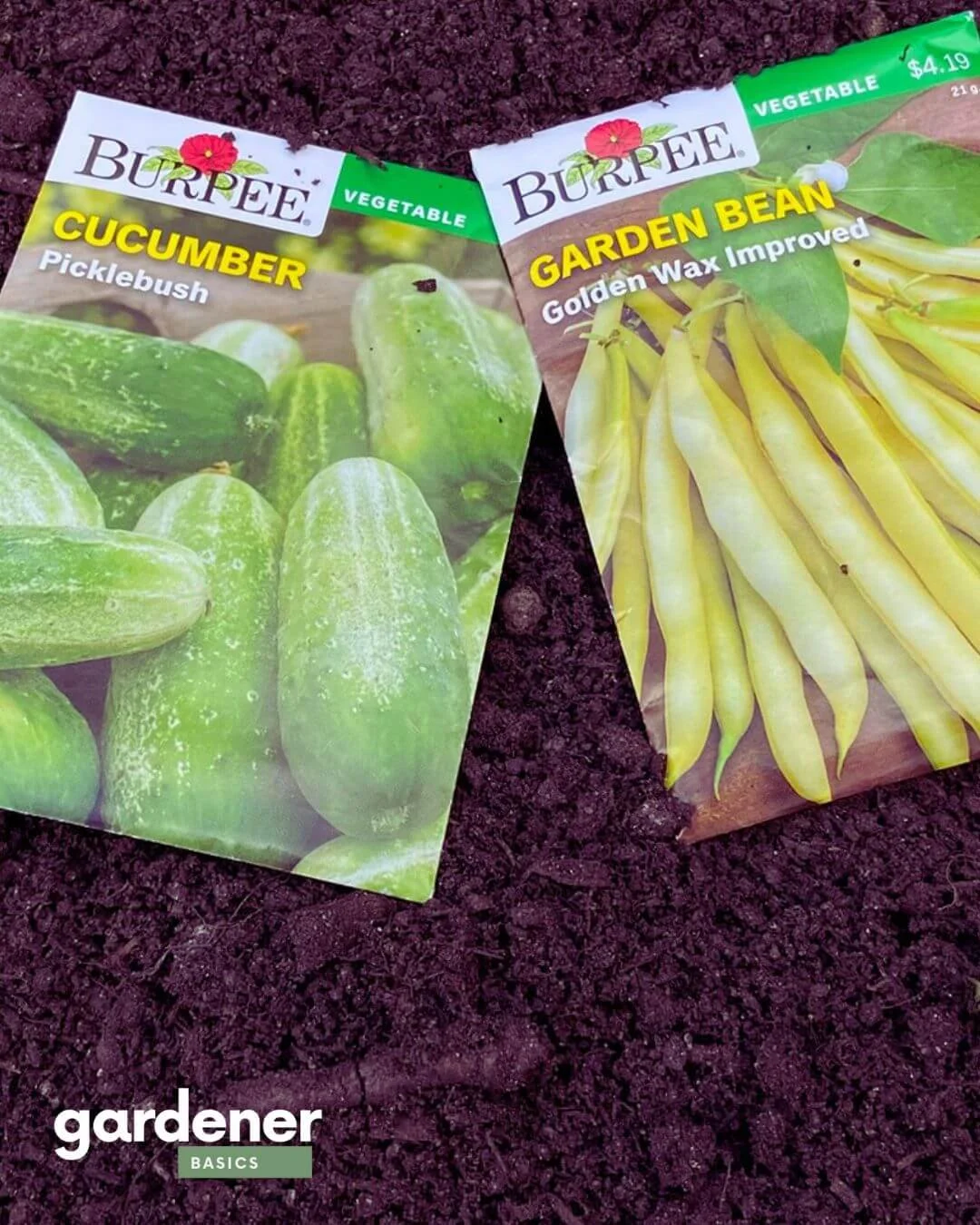
Wax beans that I direct sowed.
Legumes are the best kind of garden plant: they’re productive, beginner-friendly, and they improve the soil while they grow.
Why from seed?
Peas and beans germinate quickly and reliably. In many cases, they sprout in a week (sometimes less) and take off fast. Buying them as transplants is usually a waste of money because they grow so easily from seed—plus their roots start forming beneficial relationships with soil bacteria right away, helping them access nitrogen naturally.
Tip:
Want a longer harvest instead of one big bean overload? Succession plant.
sow bush beans every 2–3 weeks
for peas and pole beans, set up your trellis/support before planting so you don’t disturb roots later

3. Leafy Greens: Lettuce, Spinach, and Arugula
Yes, you can buy lettuce starts. But you’ll get better results and way more flexibility by growing greens from seed.
Why from seed?
Leafy greens grow fast and love cool weather, so timing matters. Direct sowing lets you plant them exactly when it makes sense in your garden. You can sprinkle seeds for a dense patch of baby greens or sow in rows for full heads. And because they mature quickly, the best trick is planting small amounts every couple weeks so you always have fresh salads instead of one giant harvest all at once.
Tip:
Arugula and lettuce can bolt (go to seed and turn bitter) once heat shows up.
plant in early spring
plant again in late summer for a fall crop
if it’s heating up, afternoon shade can buy you extra time
RELATED: How to Grow Arugula from Seed: A Quick and Easy Win for Beginner Gardeners
4. Squash Family: Zucchini, Cucumbers, and Melons
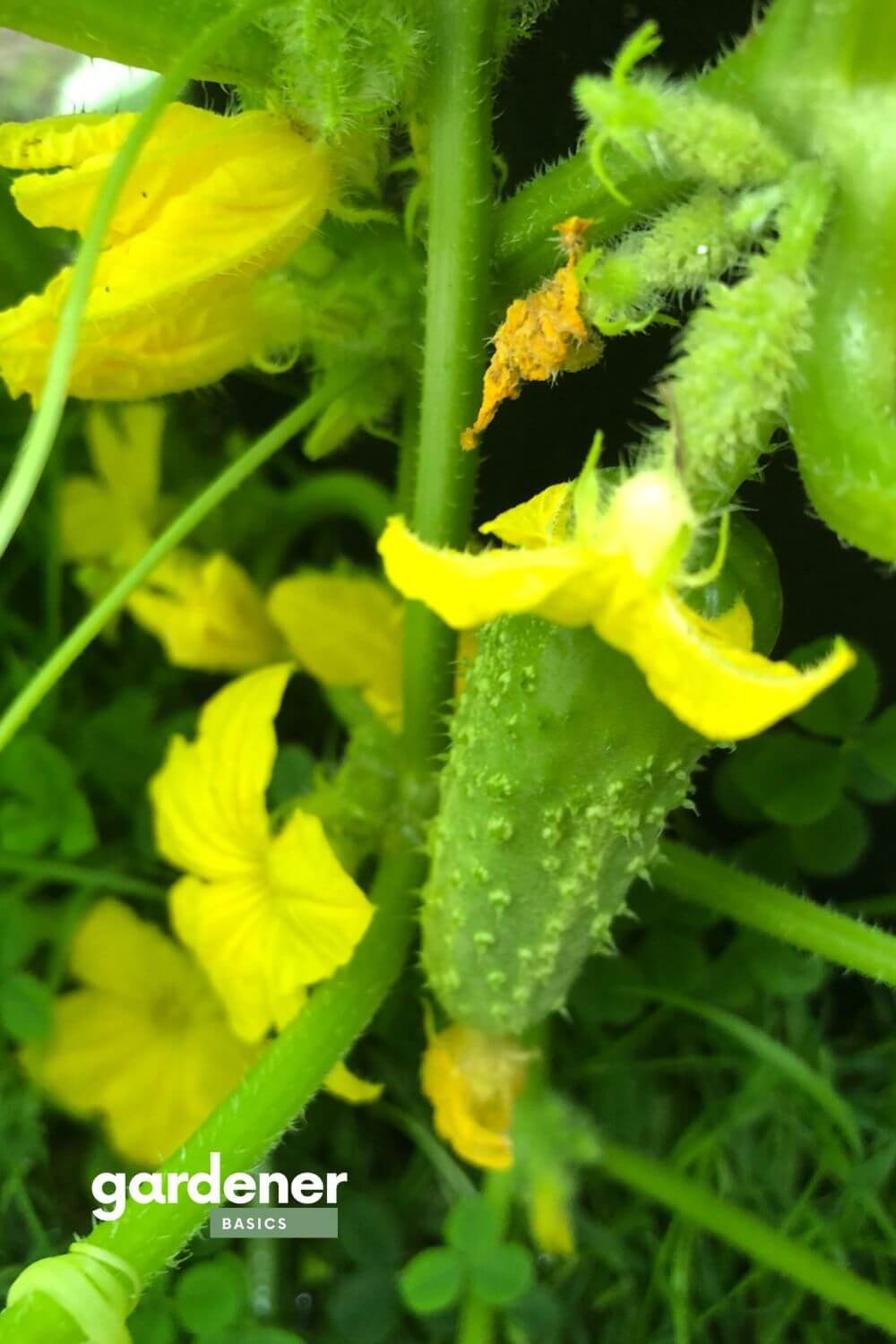
Picklebush cucumbers grown from seed.
These are the “blink and your garden is taken over” plants—and they’re usually happiest when started from seed.
Why from seed?
Cucumbers, melons, and squash are sensitive to root disturbance. They’ll often sulk after transplanting, even if you do everything “right.” Seeds planted into warm soil can germinate quickly and often catch up to transplants in no time—then surpass them because the roots develop deep and wide from the start.
Tip:
These are heavy feeders. Give them rich soil and space.
plant in compost-enriched mounds (“hills”) for warmth + drainage
don’t crowd them (they will sprawl farther than you think)
warm soil is key—cold soil slows them down
5. Corn
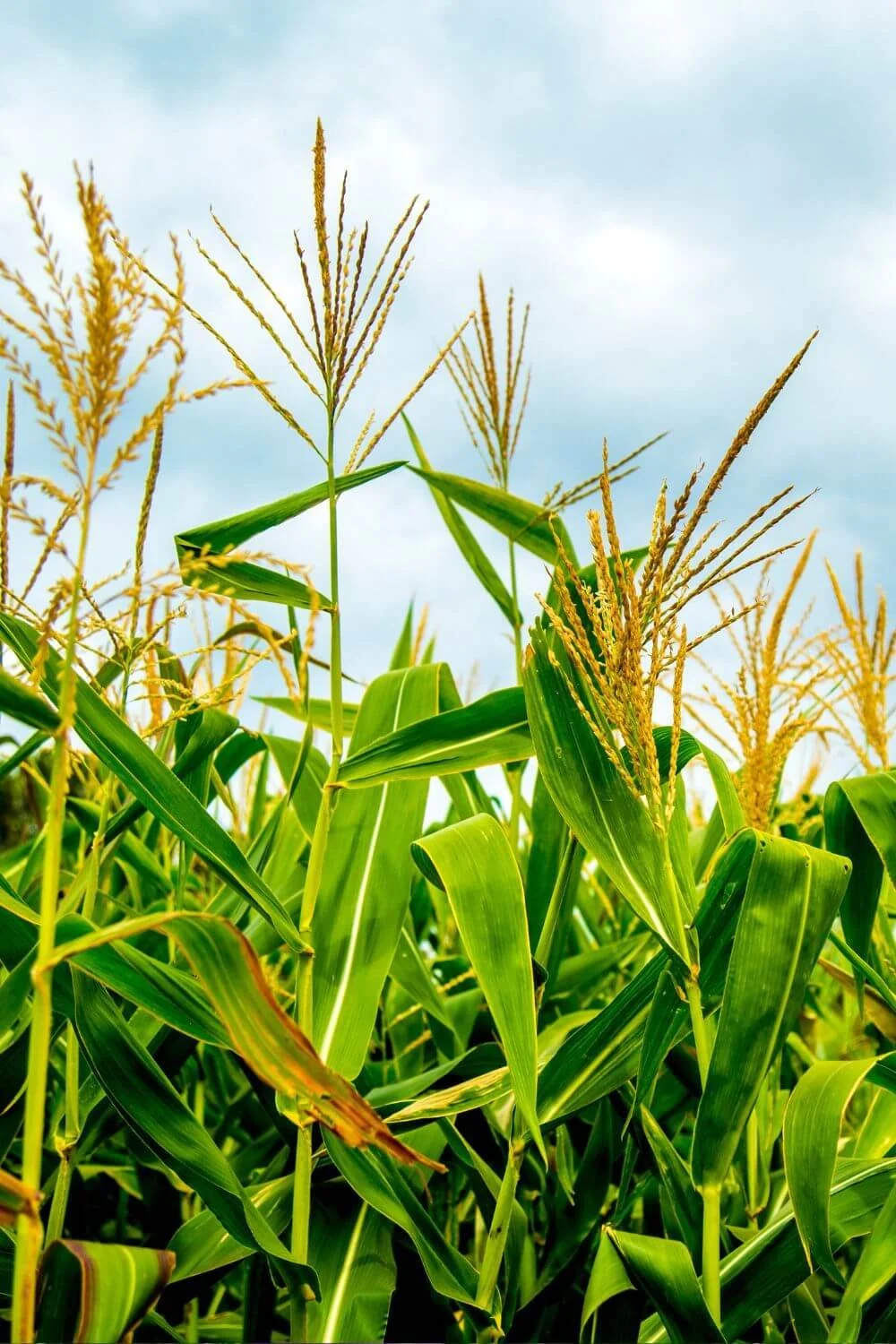
Corn grown from seed.
There’s nothing like fresh corn, and this is one crop where seed just makes the most sense.
Why from seed?
Corn is wind-pollinated, so it needs to be planted in a block—not one long skinny row—so pollen can actually land on nearby silks. Trying to buy enough corn transplants to make that work would cost a fortune. Seeds are the practical (and effective) way to do it. Corn also develops prop roots at the base for support, and it forms that anchor system best when it’s grown in place from the start.
Tip:
If you want good pollination:
plant at least a 4x4-foot block
wait until soil is consistently warm (around 60°F)—corn seed can rot in cold, wet ground
You Can Do This
Starting vegetables from seed isn’t an expert-only skill—it’s one of the most empowering things you can learn in the garden. It saves money, gives you more options, and (this is my favorite part) it connects you to the whole process—from “tiny speck of a seed” to “I grew this.”
So next time you’re planning your garden, don’t feel like you have to buy everything as transplants. Pick a few of these seed-friendly veggies, follow the seed packet directions, keep the soil moist while they germinate, and let the garden do what it does.
And if your first try isn’t perfect? Welcome to gardening. That’s how everyone learns.
PIN IT For Later!



Learn crop rotation the easy way—what it is, why it matters, plant family chart, and simple examples like what to plant after cucumbers and tomatoes.