

Small Front Yard Landscaping for Zone 6 (Cold-Hardy Plants That Actually Work)
If you garden in Zone 6, you already know winter is not optional.
It’s long. It’s cold. It exposes every weak plant decision you made in July.
I can always tell which front yards were designed for summer only. They look full and colorful in June… and then January hits and everything disappears. Bare sticks. No structure. Nothing for your eye to land on.
In a small front yard, that winter emptiness feels even more noticeable.
So if you’re landscaping in Zone 6, you have to think differently. You don’t just design for bloom season. You design for structure first.
And the good news? The same layout principles still apply — you just need tougher plants.
If you haven’t read the base system yet, start with Small Front Yard Landscaping Layout (A Simple Formula That Works). This post builds on that — just with cold-climate reality layered in.
The items listed are accompanied by affiliate links, meaning I earn a small commission if a purchase is made through my links. This has no impact on the cost to the consumer. I link to products this way whenever possible, and it has no bearing on the products I choose to review or recommend.
Why Zone 6 Changes the Game
Zone 6 typically sees winter lows between -10°F and 0°F. That’s cold enough to cause dieback, winter burn, and freeze-thaw stress — especially in exposed front yards.
And small front yards tend to be more exposed than we realize. Less tree canopy. More wind. More reflected heat from driveways and sidewalks.
That’s why marginally hardy shrubs rated “6–9” can technically survive… but still struggle.
In Zone 6, reliability matters more than novelty.
Start With Evergreen Structure
If I could give one rule for Zone 6 front yards, it would be this:
At least half of your visual structure should be evergreen.
Not all of it. But enough that when the leaves drop, your house doesn’t look abandoned.
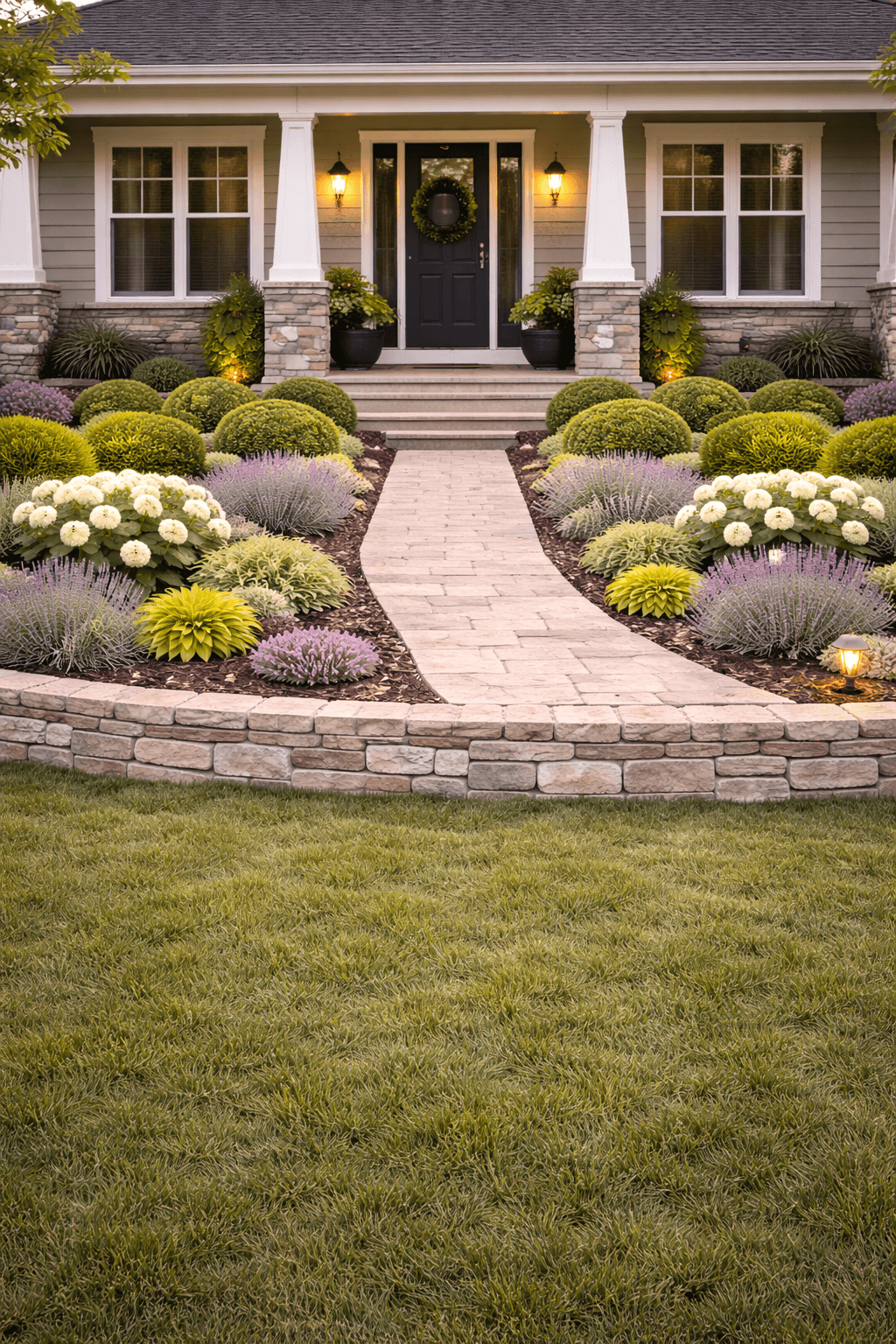
Strong evergreen anchor options for small front yards include:
Dwarf inkberry
Compact boxwood (or cold-hardy alternatives)
Small globe arborvitae (not the tall column types)
And spacing still matters. Just because they’re evergreen doesn’t mean they should be shoulder-to-shoulder. Plant for mature width.
If you’ve ever seen arborvitae planted 18 inches apart that grew into one giant green wall, you know what I mean.
That’s a spacing issue — not a plant issue.
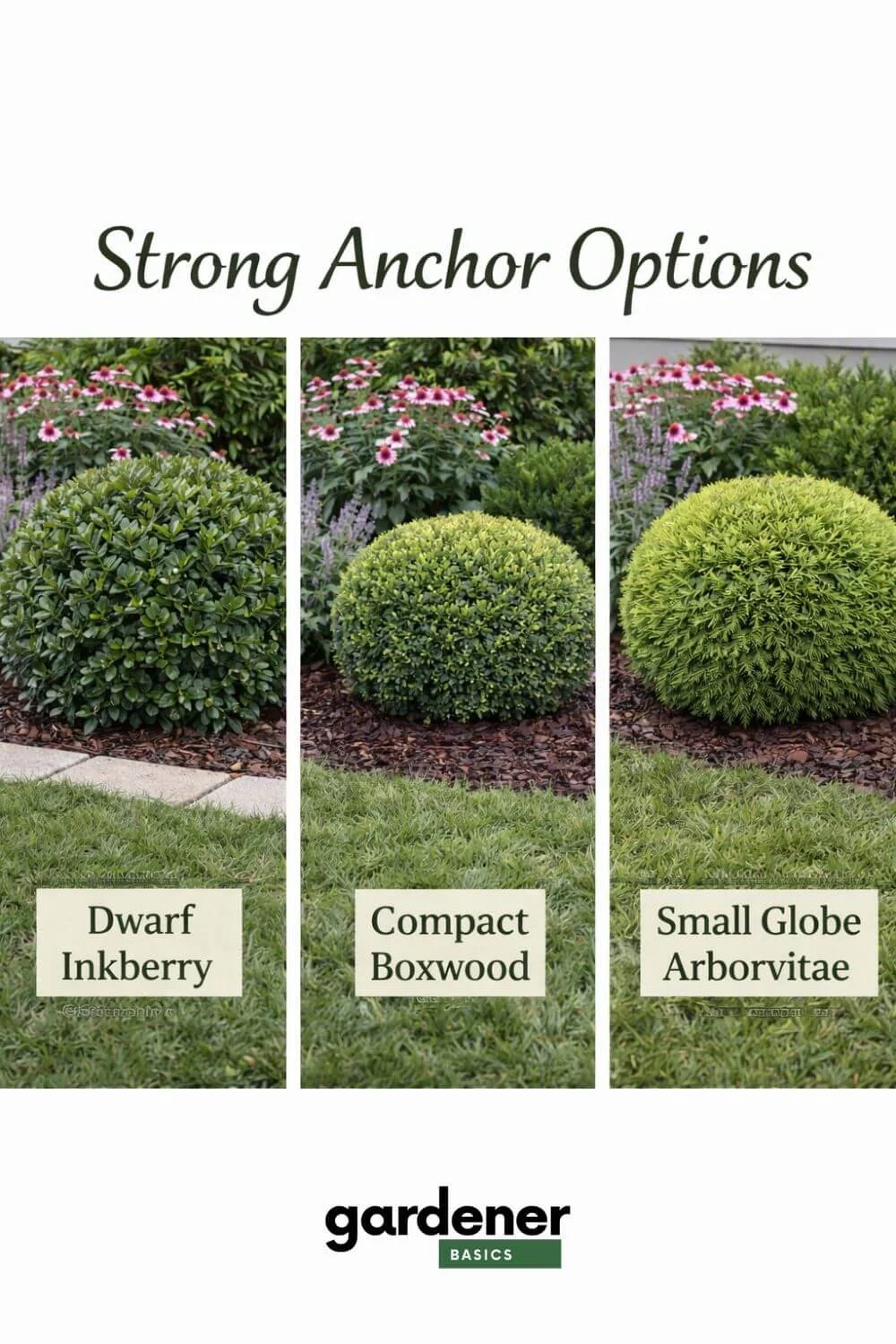
These are just some possible options that could be anchors in Zone 6.
Choose Shrubs That Bloom on New Wood
This is one of those small decisions that makes a big difference in cold climates.
In Zone 6, late spring freezes are common. If you plant shrubs that bloom on old wood and we get a cold snap at the wrong time, you lose your flowers.
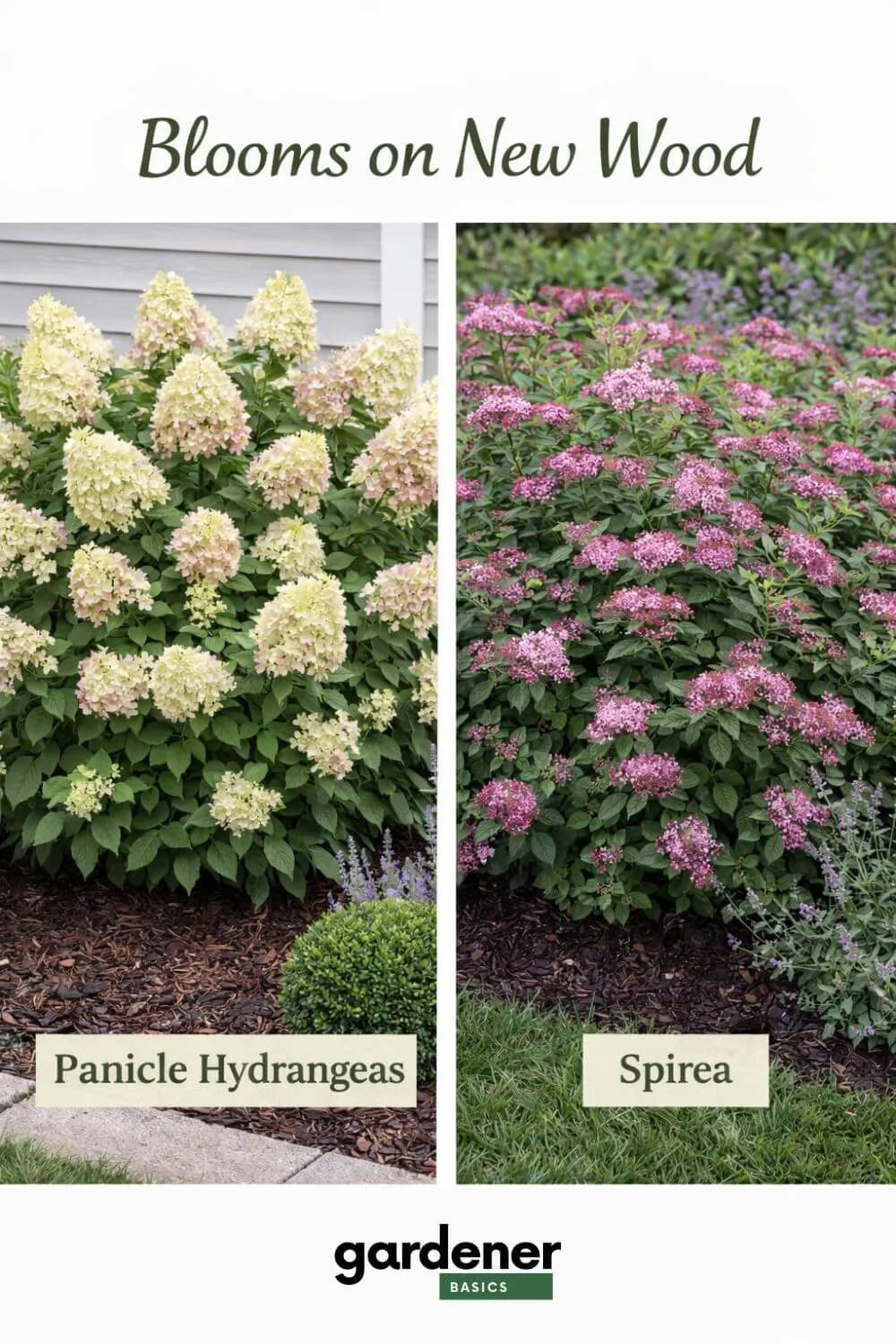
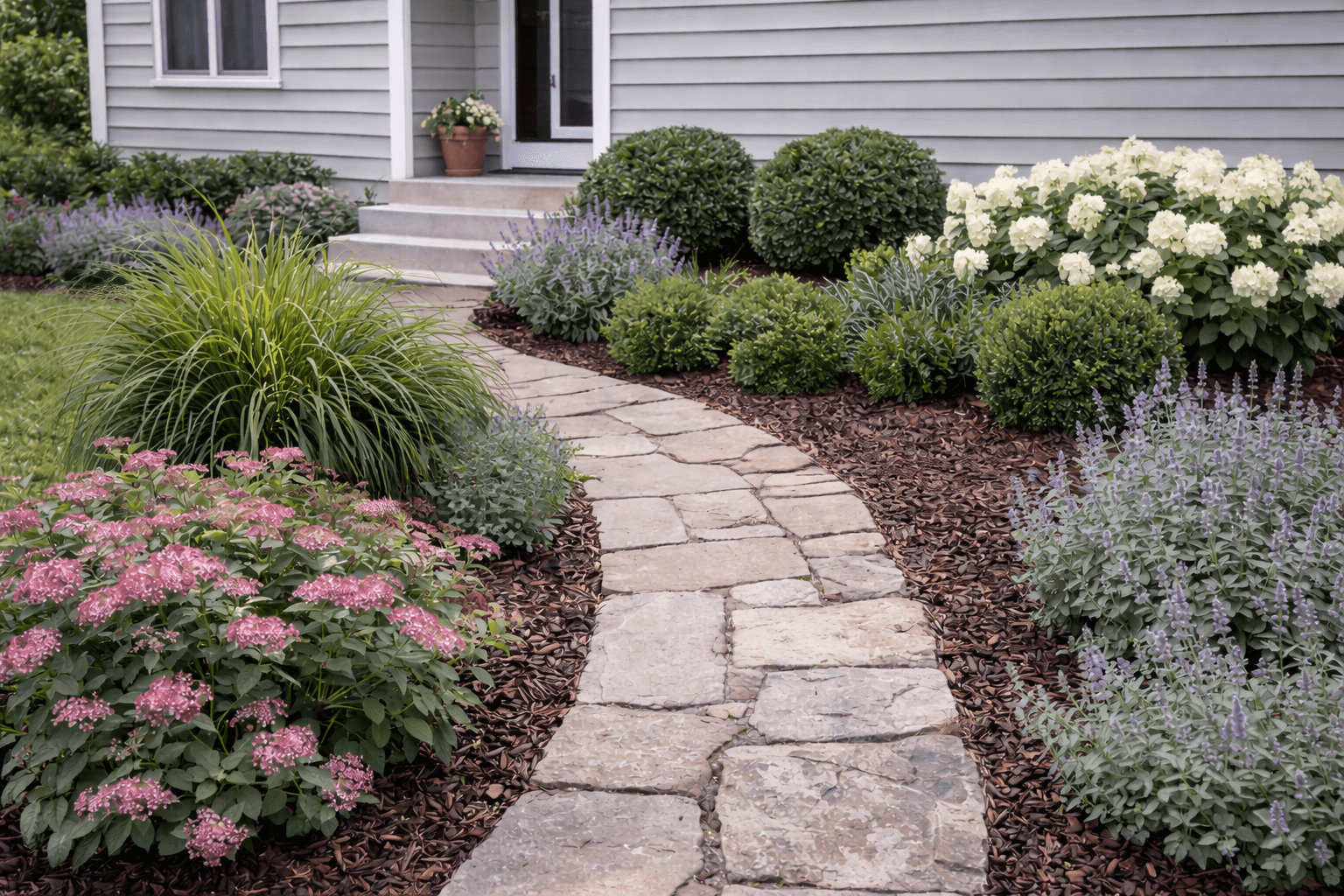
That’s why I love compact panicle hydrangeas for front yards here. They bloom on new wood, which means even if winter was rough, they still perform.
Spirea is another solid option — tough, reliable, and not dramatic about weather swings.
If your front yard has struggled with inconsistent blooming, it might not be you. It might be plant choice.

Be Careful With Height in Small Zone 6 Yards
Cold climates sometimes trick us into thinking bigger is better — like we need more mass to balance winter.
But scale still matters.
Shrubs that grow 6–8 feet tall in front of a small house will still overpower windows, even if they survive winter beautifully.
If you’re unsure about height proportions, read The Foundation Planting Mistake I See Everywhere. Most scale issues in small front yards start right there.
Cold hardiness doesn’t override good design.
Mid-Layer Plants That Can Handle Freeze-Thaw
Zone 6 isn’t just cold. It’s freeze-thaw cycles.
That constant expanding and contracting of soil can push shallow-rooted plants up over time.
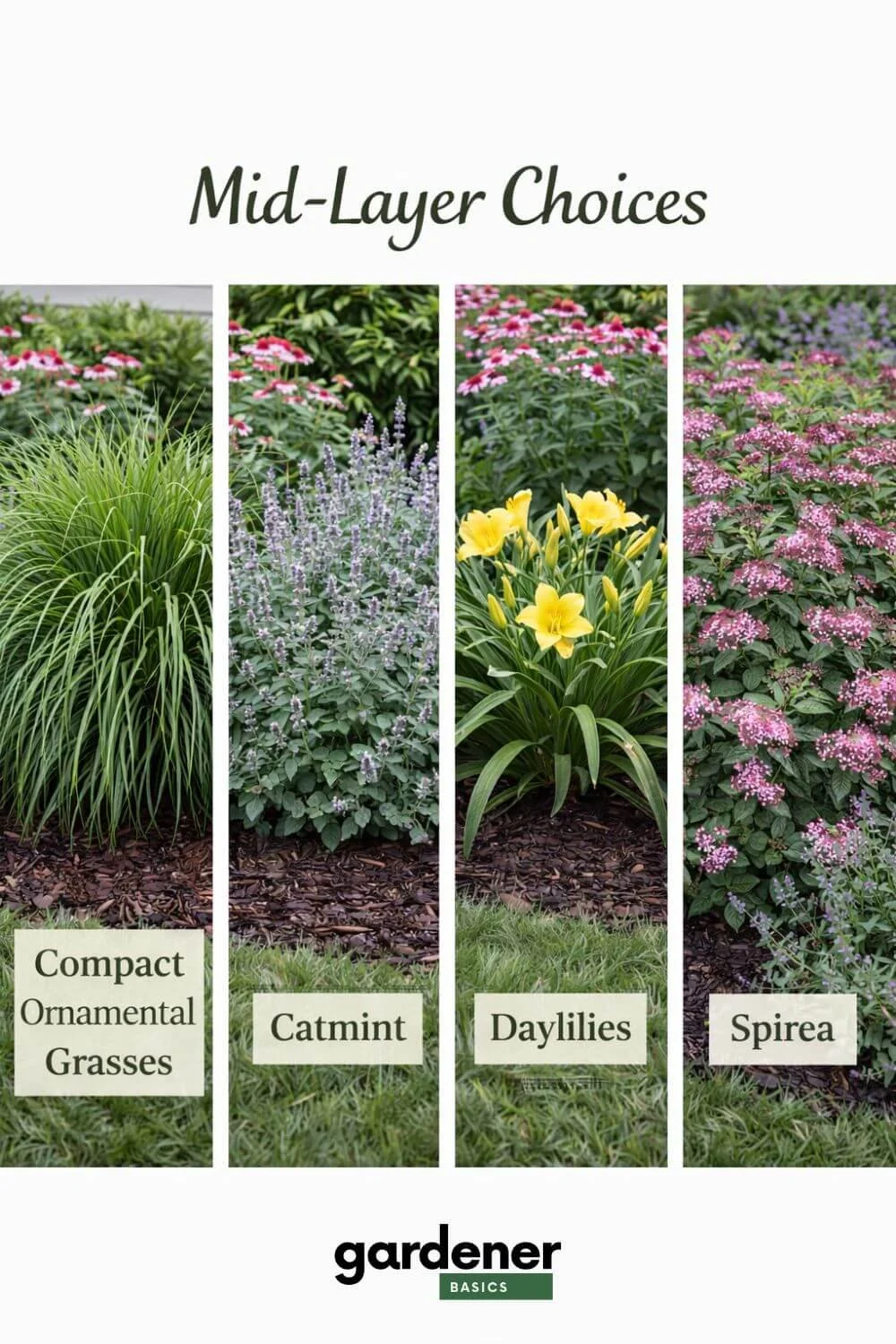
Reliable mid-layer choices include:
Compact ornamental grasses
Catmint
Daylilies (one variety, repeated)
Cold-hardy spirea
Notice the theme: tough, repeatable, not fussy.
Small front yards don’t need a perennial collection. They need rhythm.
If your yard feels busy, that’s usually a repetition issue — not a plant health issue. I talk more about that in 5 Small Front Yard Landscaping Mistakes That Make Your House Look Smaller.
Don’t Forget Winter Texture
One of my favorite small adjustments in Zone 6 is leaving structure standing through winter.
Panicle hydrangea blooms left on the plant catch snow beautifully. Ornamental grasses add movement. Evergreen anchors keep the yard grounded.
Winter interest doesn’t have to mean complicated.
It just means you didn’t design for July only.
A Simple Zone 6 Example
If you have a 12-foot-wide front yard space, a strong Zone 6 layout might look like:
Two compact evergreen anchors
Three repeating cold-hardy shrubs (like panicle hydrangeas or spirea)
One mid-layer plant repeated
A defined edge
Same layout system. Just stronger winter structure.
And if you’re thinking about reducing lawn in a cold climate, the same principles apply — you just want that evergreen weight even more. I break that down in No-Grass Small Front Yard Landscaping (What to Do Instead of Lawn).
The Bottom Line for Zone 6
In warmer climates, you can get away with designing for bloom season.
In Zone 6, you design for winter first.
If your front yard still looks intentional in January, it’s going to look incredible in June.
Focus on:
Evergreen anchors
Reliable bloomers
Correct scale
Proper spacing
Cold hardiness is important — but structure is what makes it beautiful.

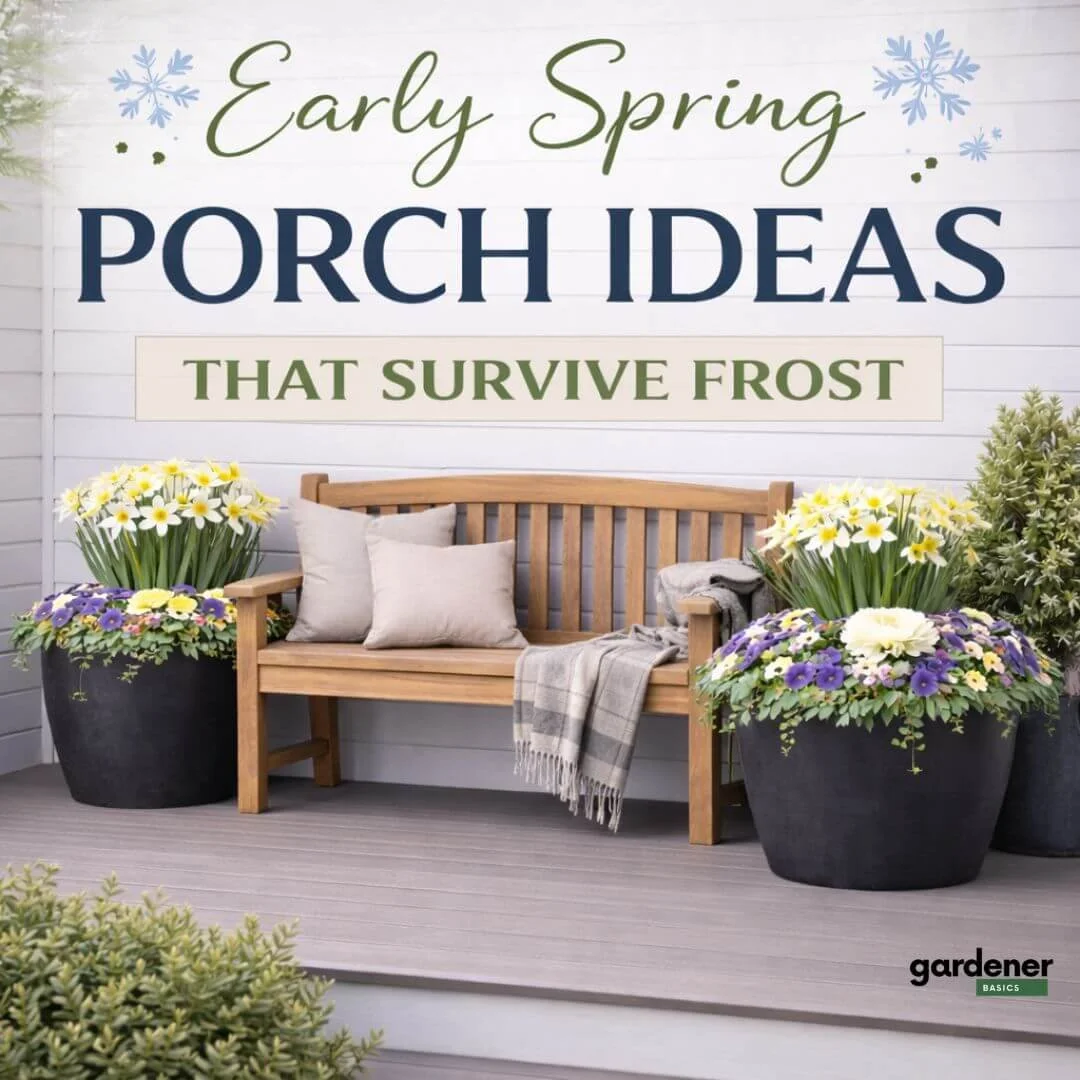
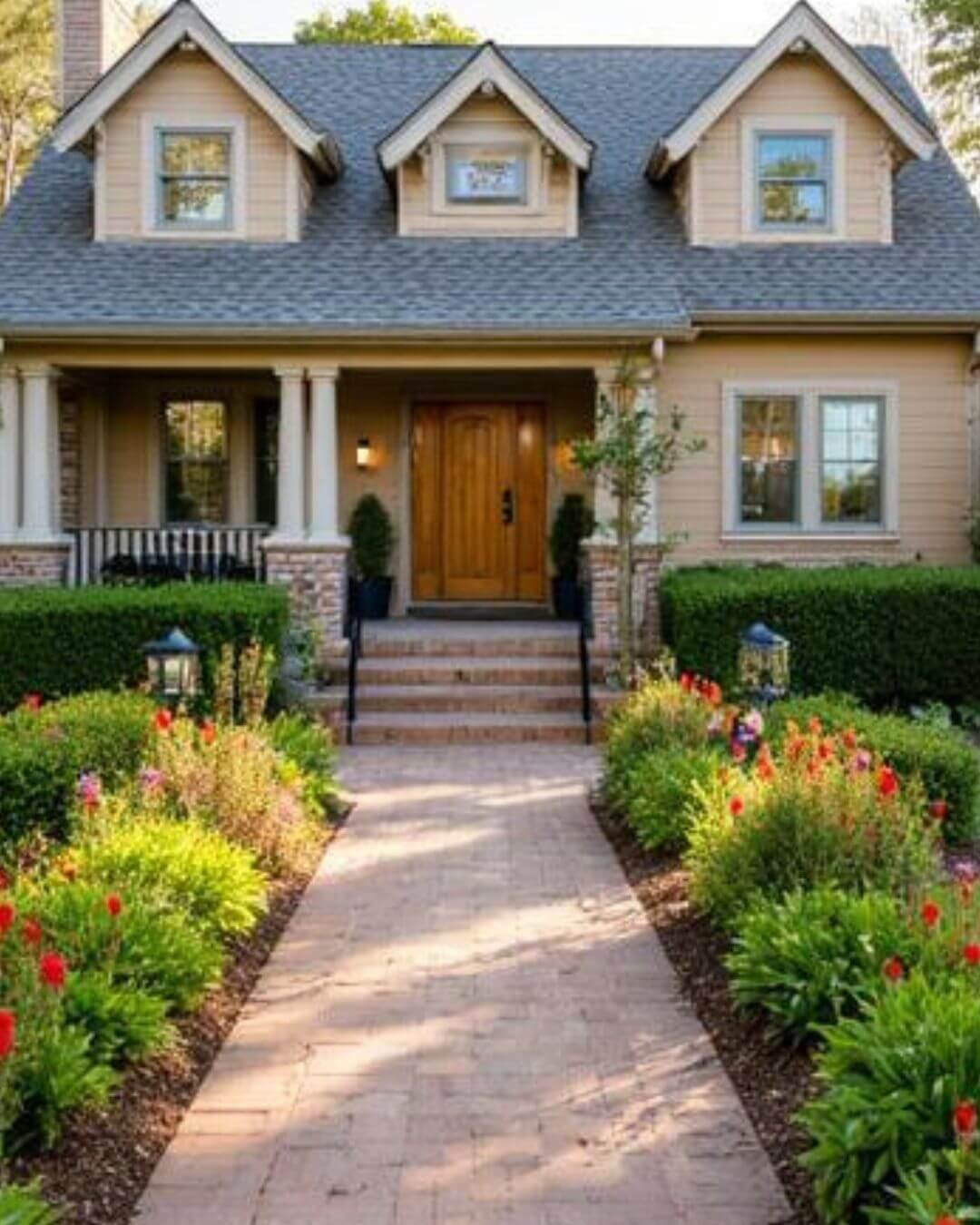
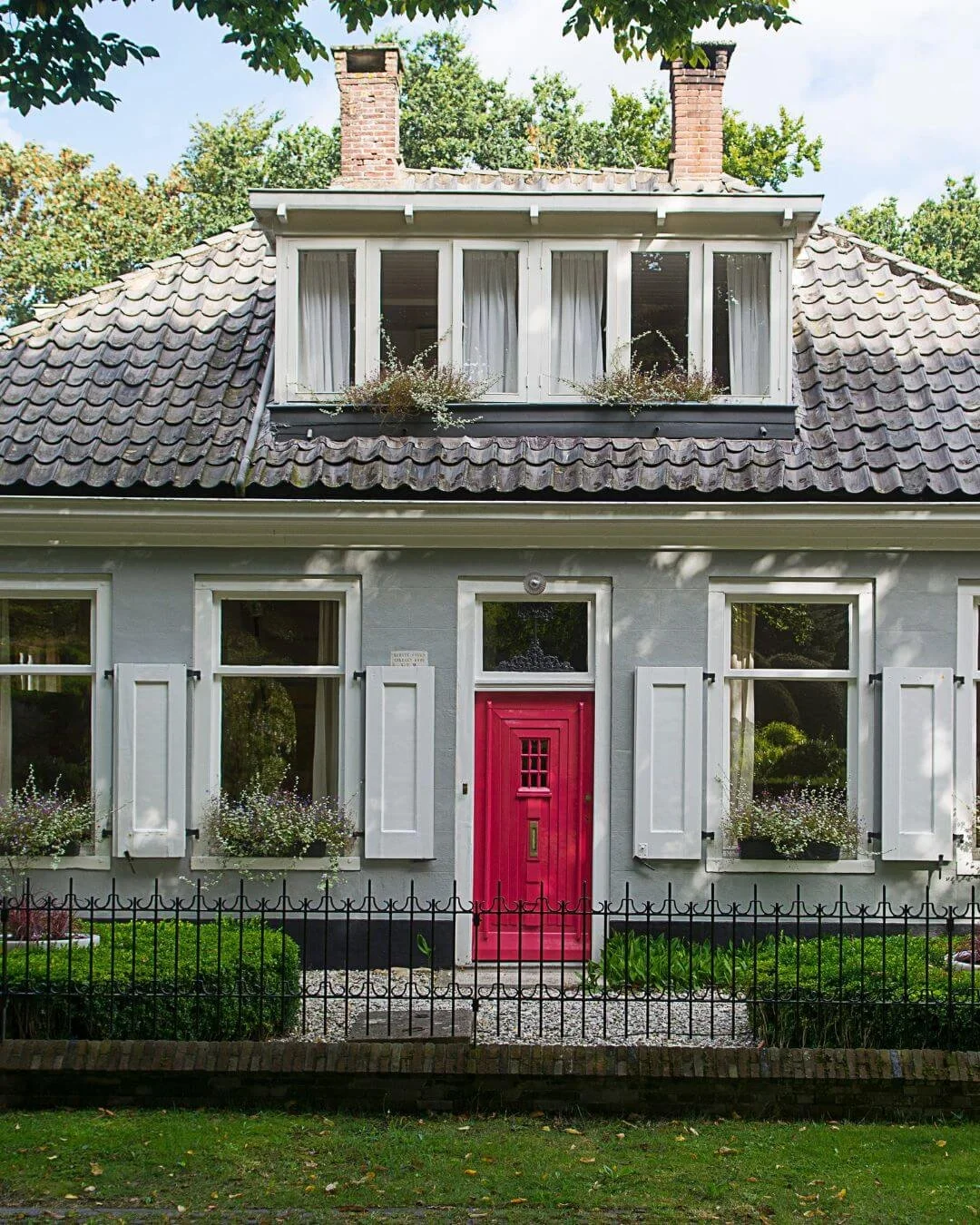

Spring porch planter recipes you can copy. Discover simple flower combinations for early and late spring that make your front porch feel intentional and elevated.