

If you’ve ever stood in the garden center staring at a cart full of random flowers thinking, “I hope these look good together…” — you’re not alone.
The truth is, most spring porch planters don’t fail because of bad plants. They fail because there wasn’t a clear combination plan.
When you treat a container like a recipe instead of a guessing game, everything changes.
So instead of vague advice, I’m going to show you real spring porch planter combinations you can copy exactly — whether it’s early spring, mid-spring, or after frost.
The items listed are accompanied by affiliate links, meaning I earn a small commission if a purchase is made through my links. This has no impact on the cost to the consumer. I link to products this way whenever possible, and it has no bearing on the products I choose to review or recommend.
1.The Classic Early Spring Urn (Frost-Tolerant & Timeless)
If it’s still chilly where you live, this one just works.
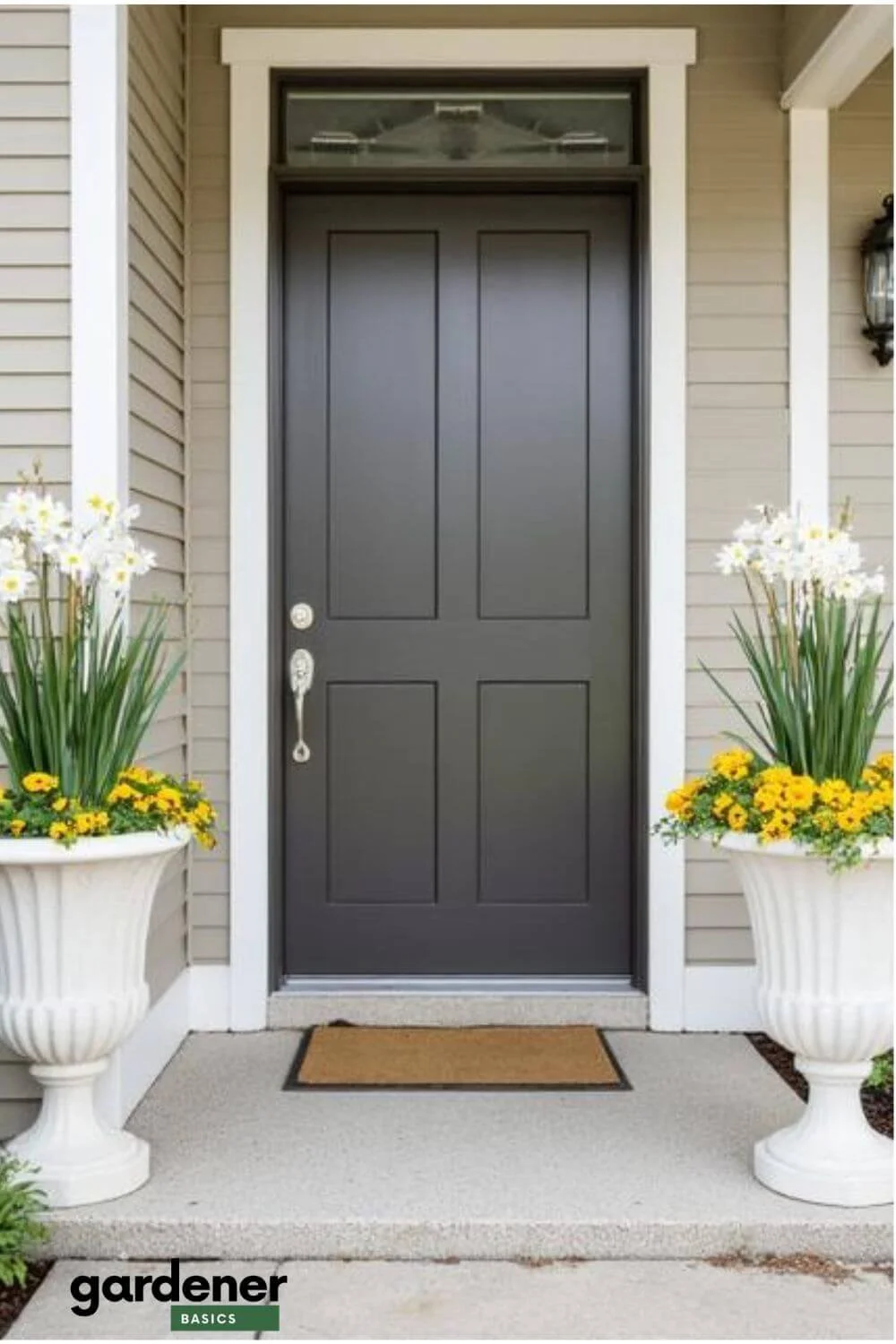
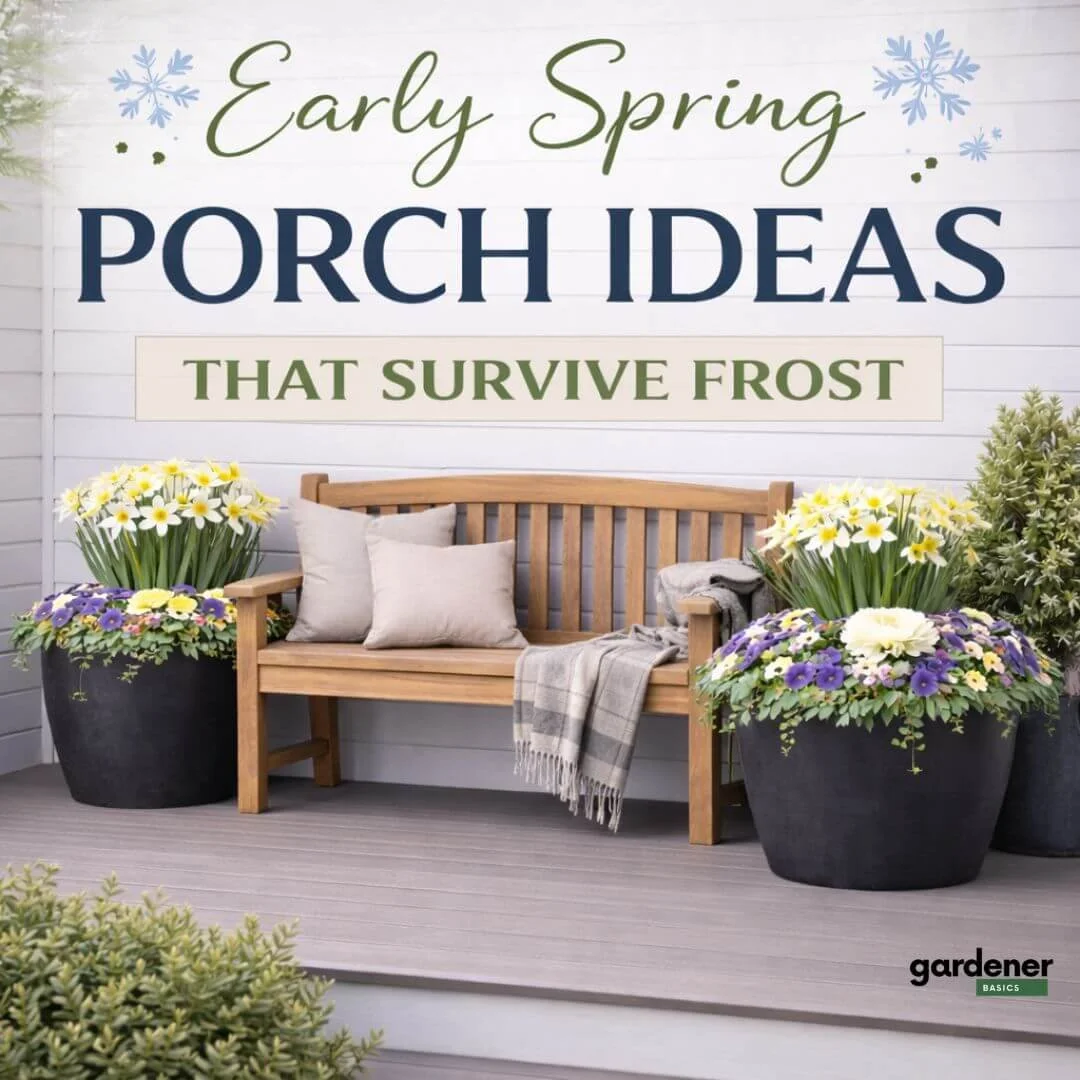
Picture two tall urns flanking your front door. In the center of each, white daffodils for height. Around the base, purple or soft yellow pansies. Tuck moss around the soil to fill the gaps.
It feels structured and classic. The daffodils give you that unmistakable “spring is here” moment. The pansies handle frost without drama.
If your home leans traditional, this combination will never look wrong.
For more cold-climate setups and layouts, here are my early spring front porch ideas that survive frost.
2. The Small Porch Statement Planter
If you have a narrow or shallow porch, skip the clutter.
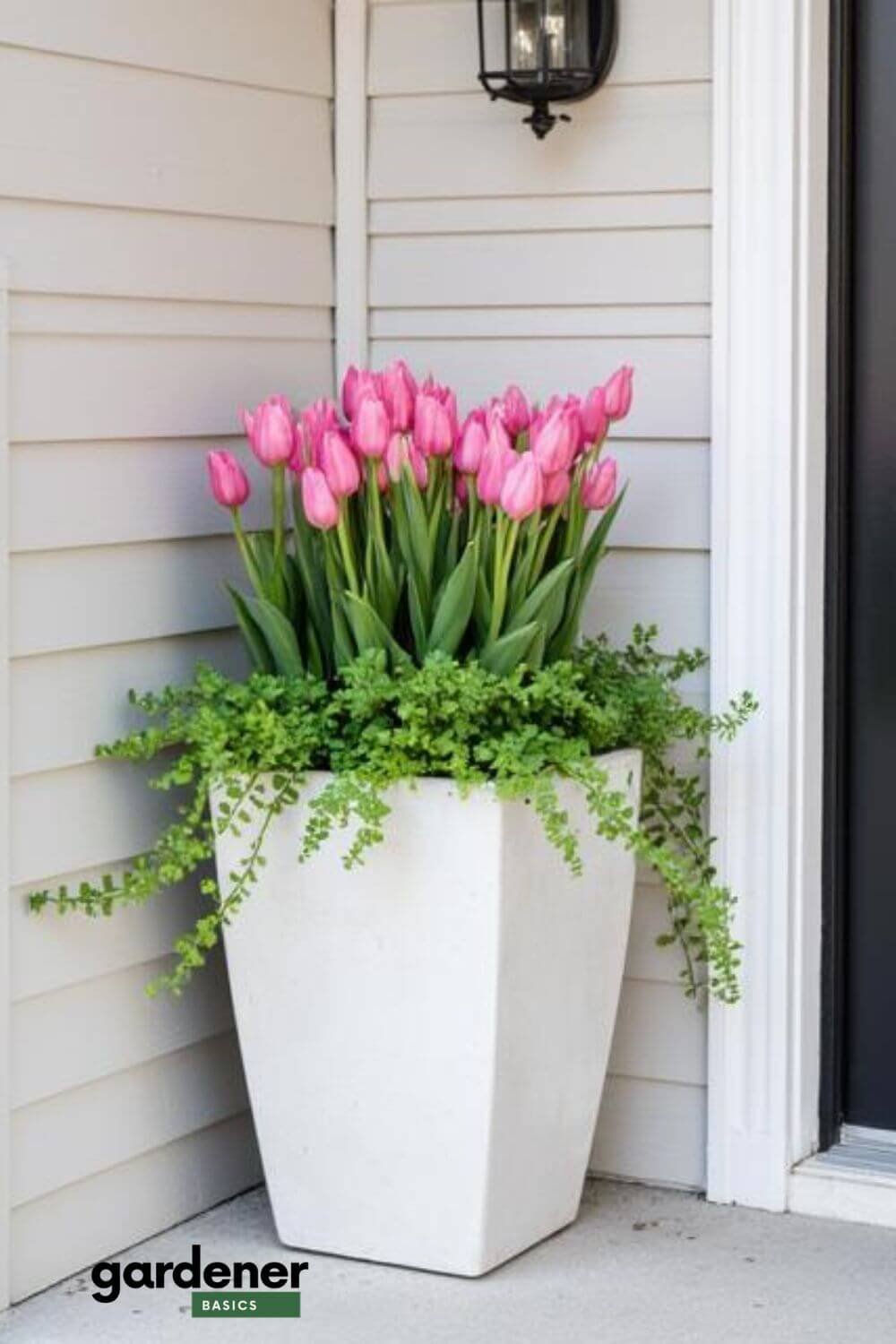
Instead of two small pots, use one substantial planter beside the door.
In the center, cluster tulips in one color — white or soft pink works beautifully. Around the base, add creeping Jenny or ivy for spill.
That’s it.
Because the planter is large enough, it feels intentional. And because the color is limited, it looks elevated instead of busy.
Small porch tip: scale matters more than quantity.
I share more small-space layout tricks in my small spring front porch ideas that still feel grand post.
3. The Green & White “Designer” Combo
If you love a calm, farmhouse-inspired look, try this.
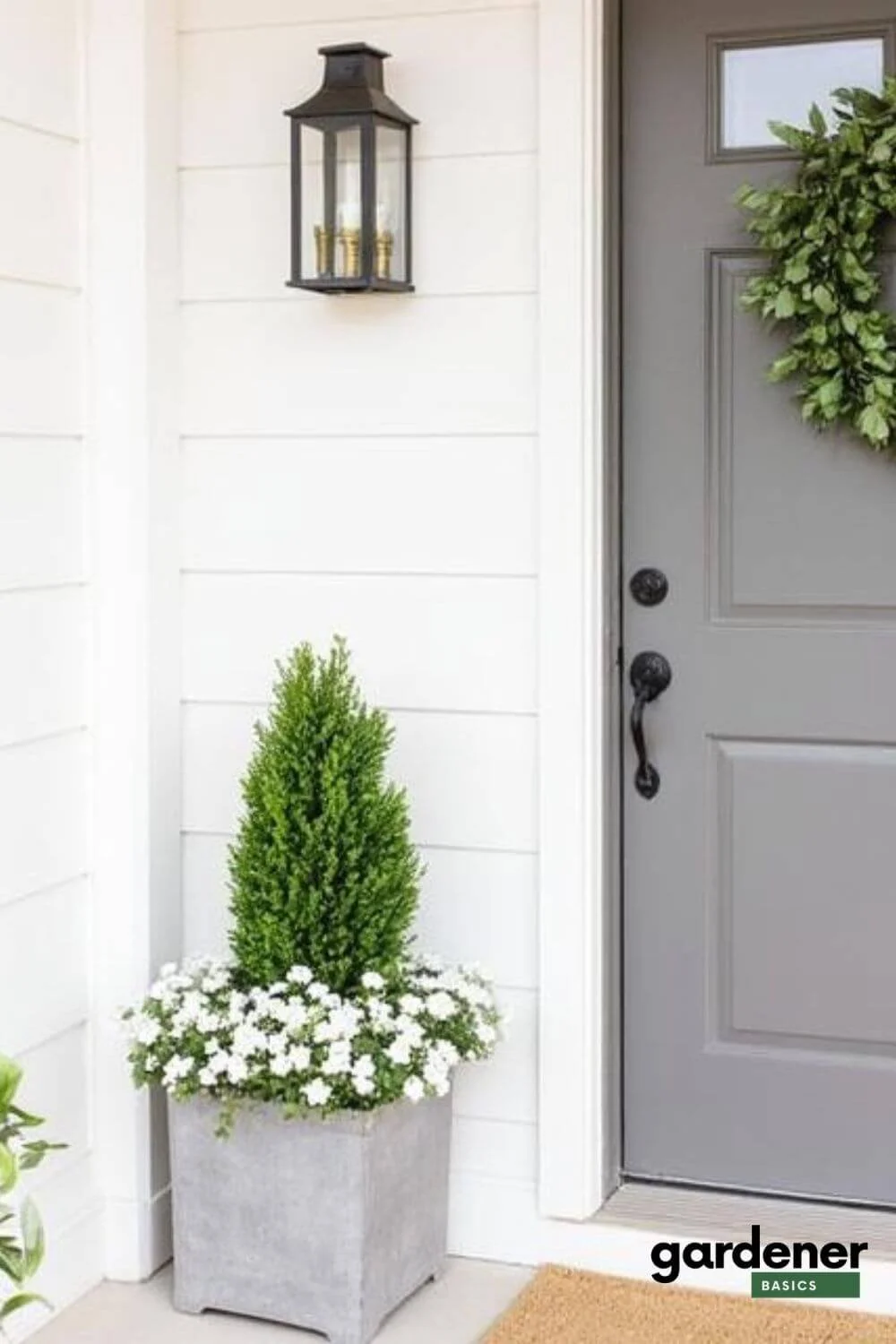
Use a small boxwood as the center anchor. Around it, plant white pansies and alyssum for softness.
The greenery wreath on the door ties it together.
The entire look stays in a white and green palette — which instantly feels cohesive and high-end.
This combination works in early spring and transitions easily into late spring by swapping pansies for white petunias or calibrachoa once it warms up.

4. The Soft Pastel Cottage Look
If you prefer a softer, cottage feel, lean into pastel layering.
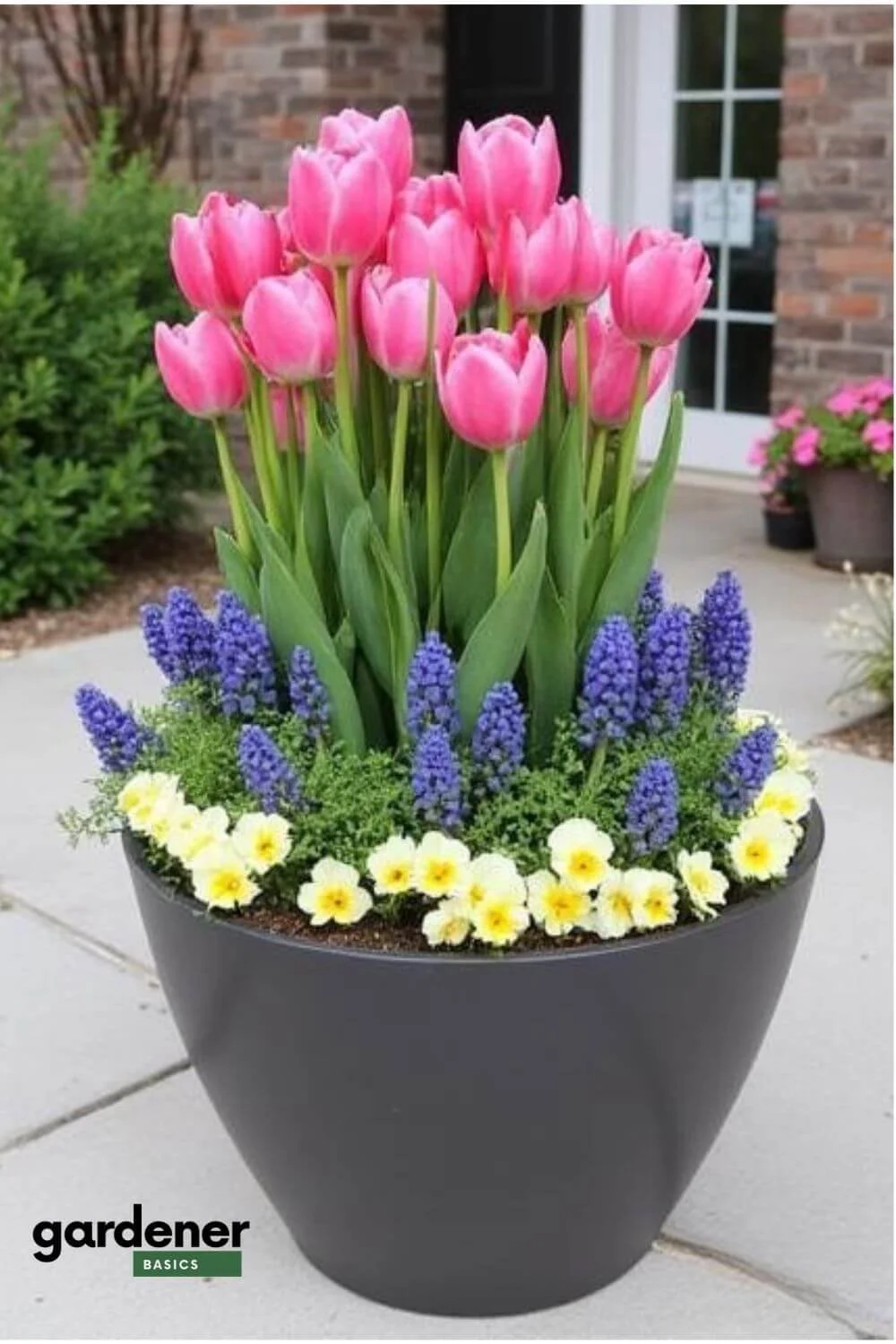
Start with pink tulips for height. Add grape hyacinths around the middle layer. Finish with pale yellow or lavender pansies at the base.
Keep everything in that soft pastel family.
It feels romantic without being loud. And because the colors relate to each other, it still feels balanced.
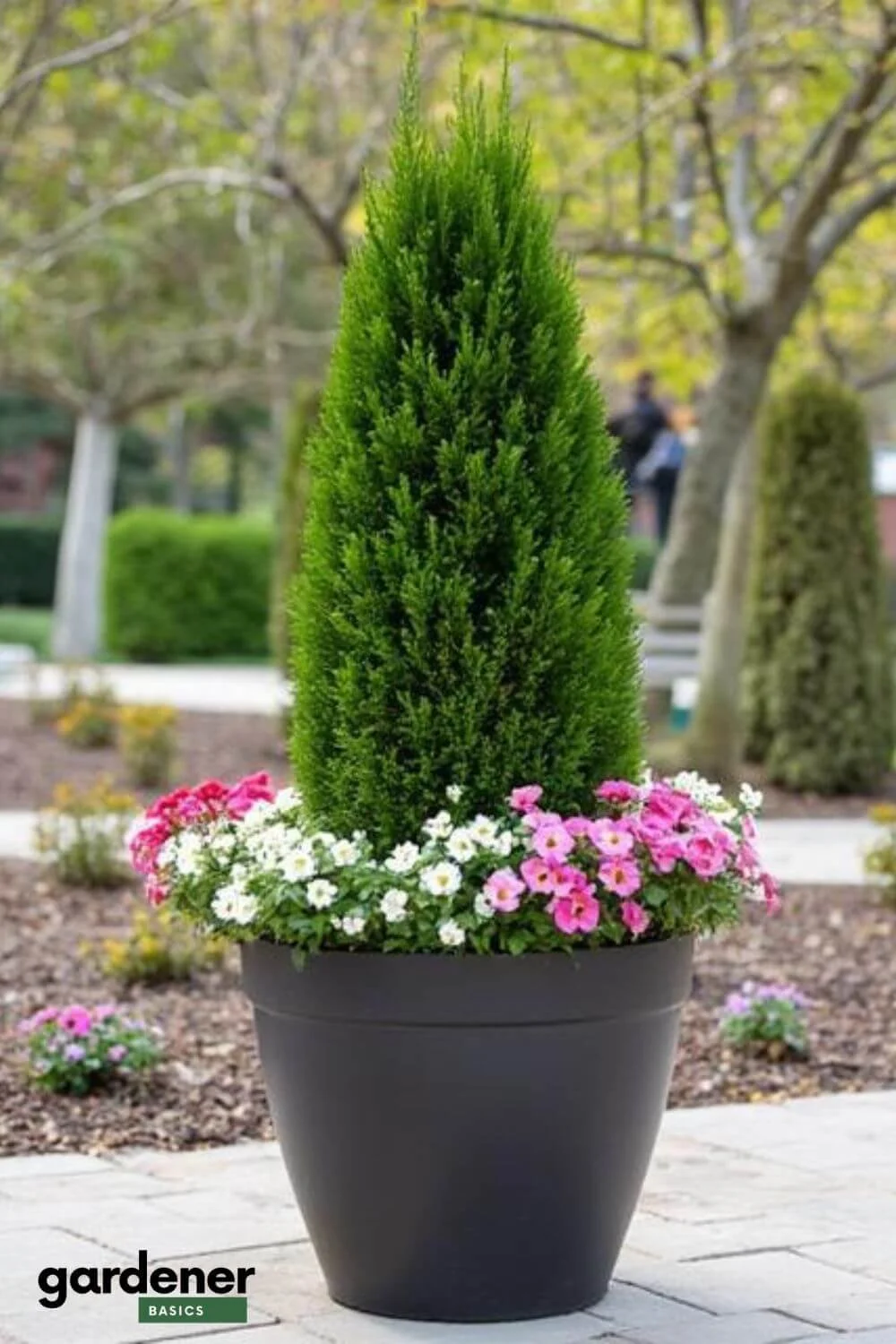
5. The Evergreen Anchor + Seasonal Swap
This is my favorite long-term strategy.
Plant a small evergreen shrub in your container as the permanent center. Around it, add seasonal flowers.
In early spring, that might be pansies and daffodils. In late spring, swap them for tulips or trailing annuals.
The evergreen gives structure year-round. You’re only changing the seasonal layer.
This makes your porch look layered instead of temporary — and it saves money long-term.
6. The Bold Monochromatic Moment
Sometimes the simplest statement is one color, repeated confidently.
All white tulips in a large planter.
All yellow daffodils in matching urns.
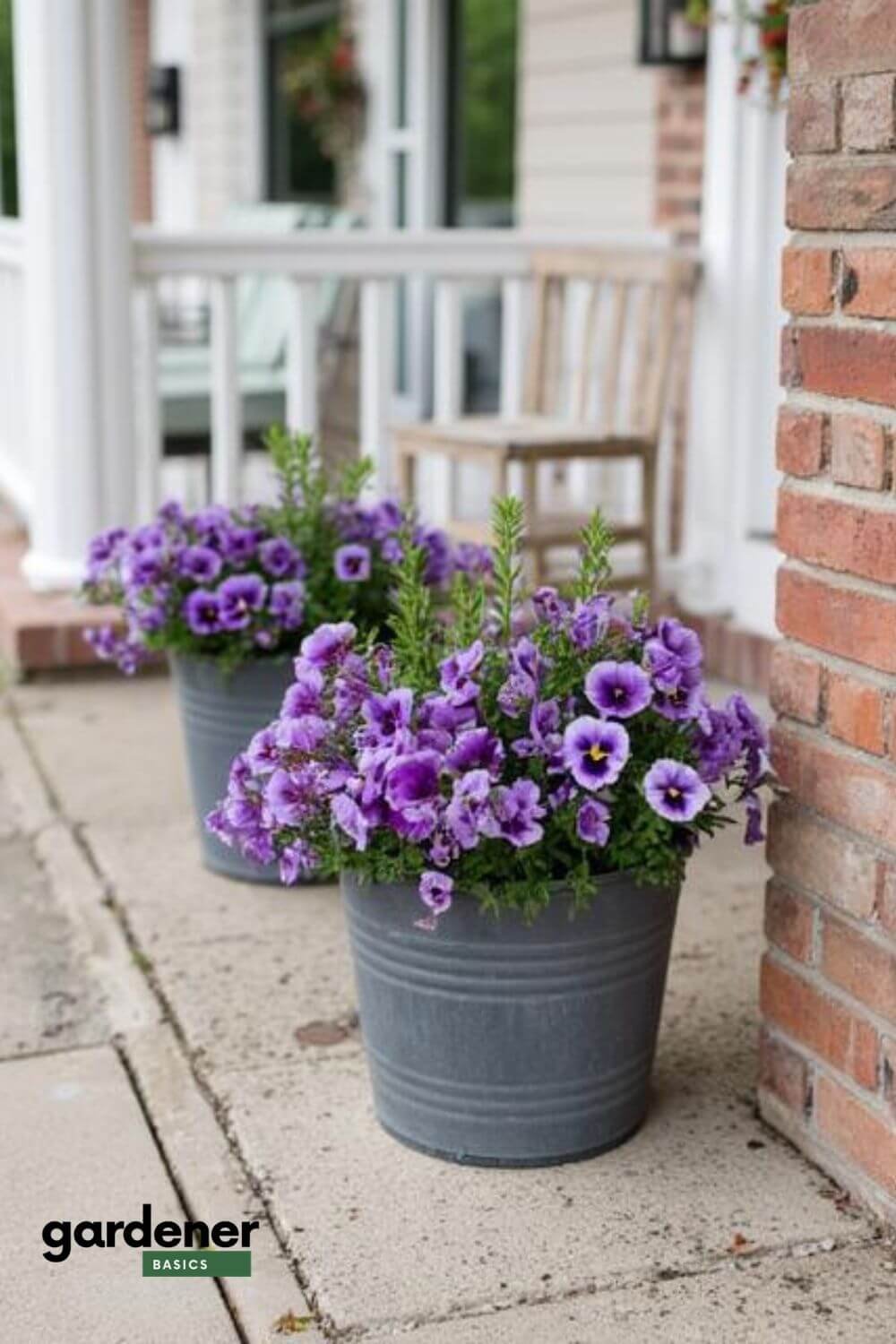
All purple pansies in symmetrical containers.
When the color is unified, it looks intentional — not chaotic.
This works especially well on modern homes or darker front doors where the color can pop cleanly.
Why These Combinations Work
Every one of these planter recipes follows the same principles:
There’s a clear center.
There’s repetition.
The color palette is limited.
The scale matches the entry.
That’s what makes them feel designed.
You don’t need 12 plant varieties. You need a plan.
When you walk into a garden center this spring, don’t just grab what’s blooming.
Pick a recipe.
Choose one of these combinations. Stick to it. Repeat it on both sides of the door.
And suddenly your porch won’t feel like a random collection of flowers — it’ll feel intentional.

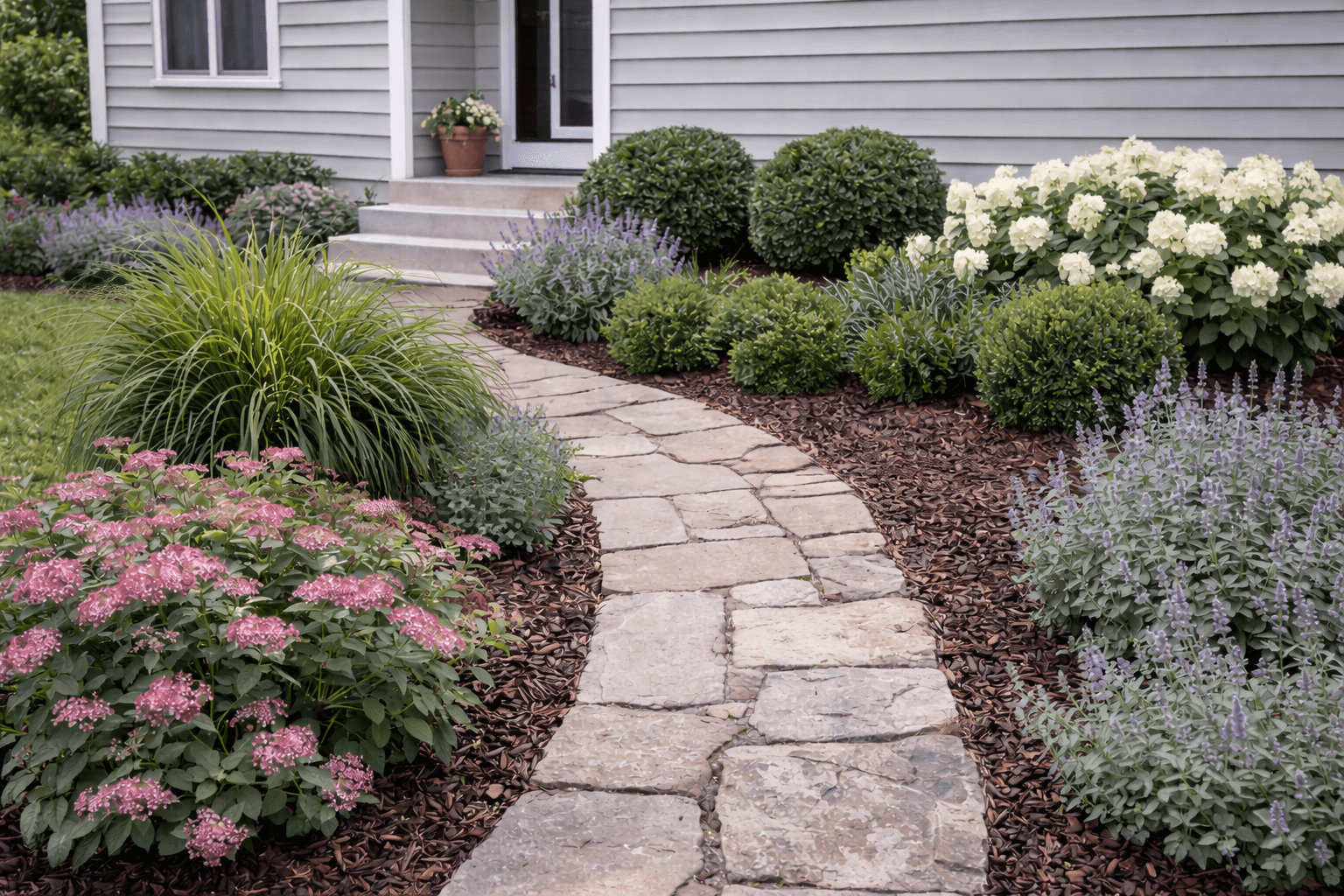
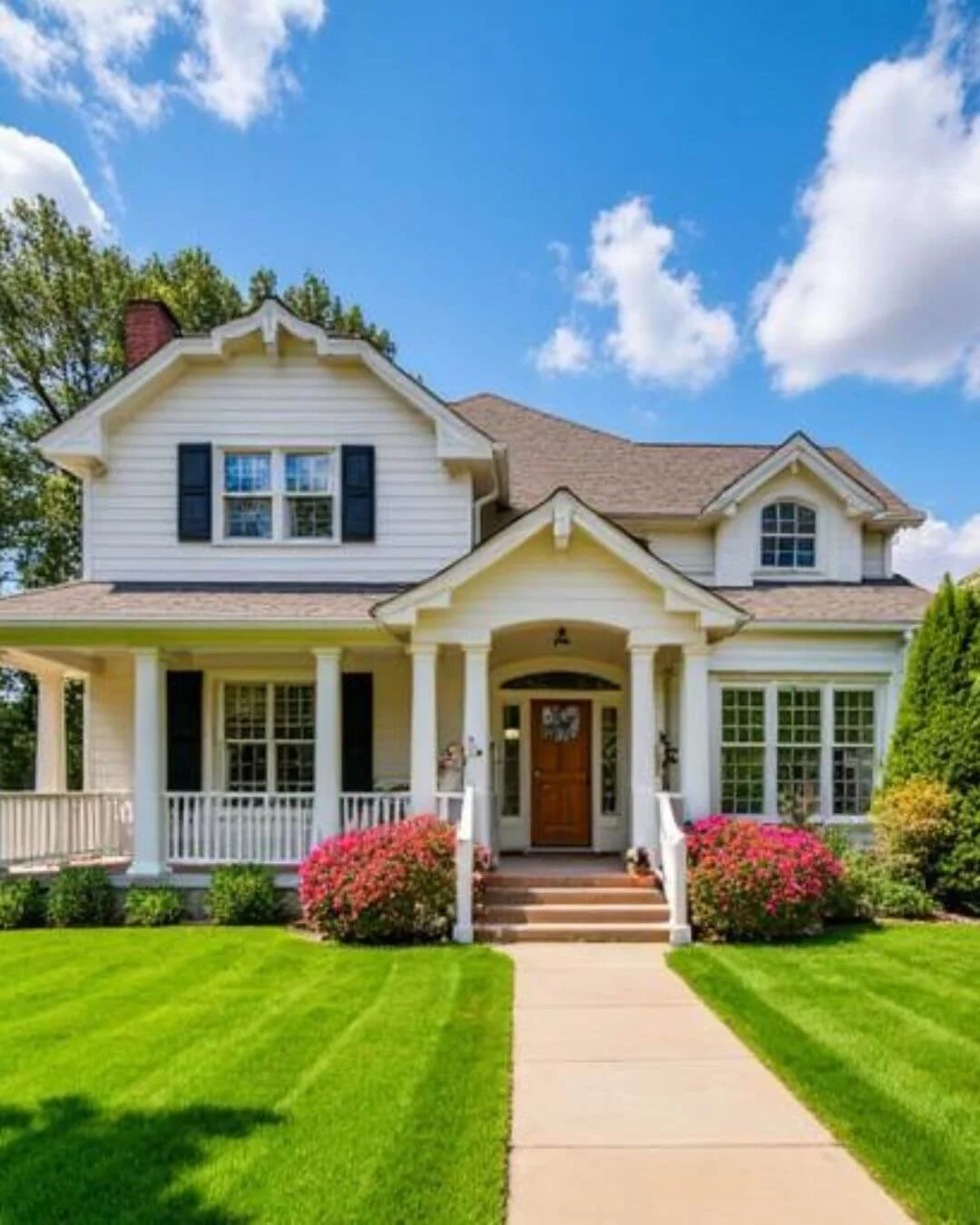
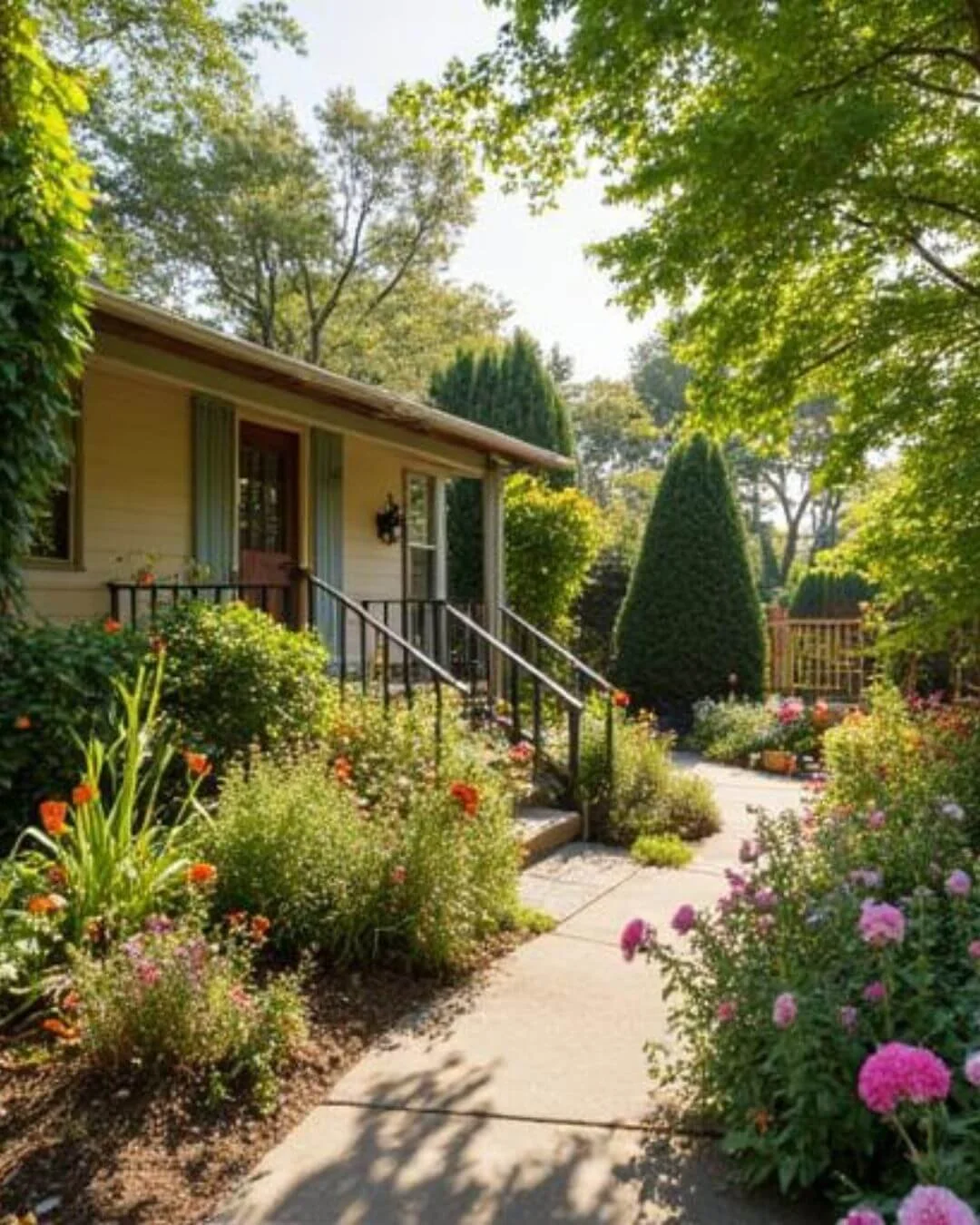
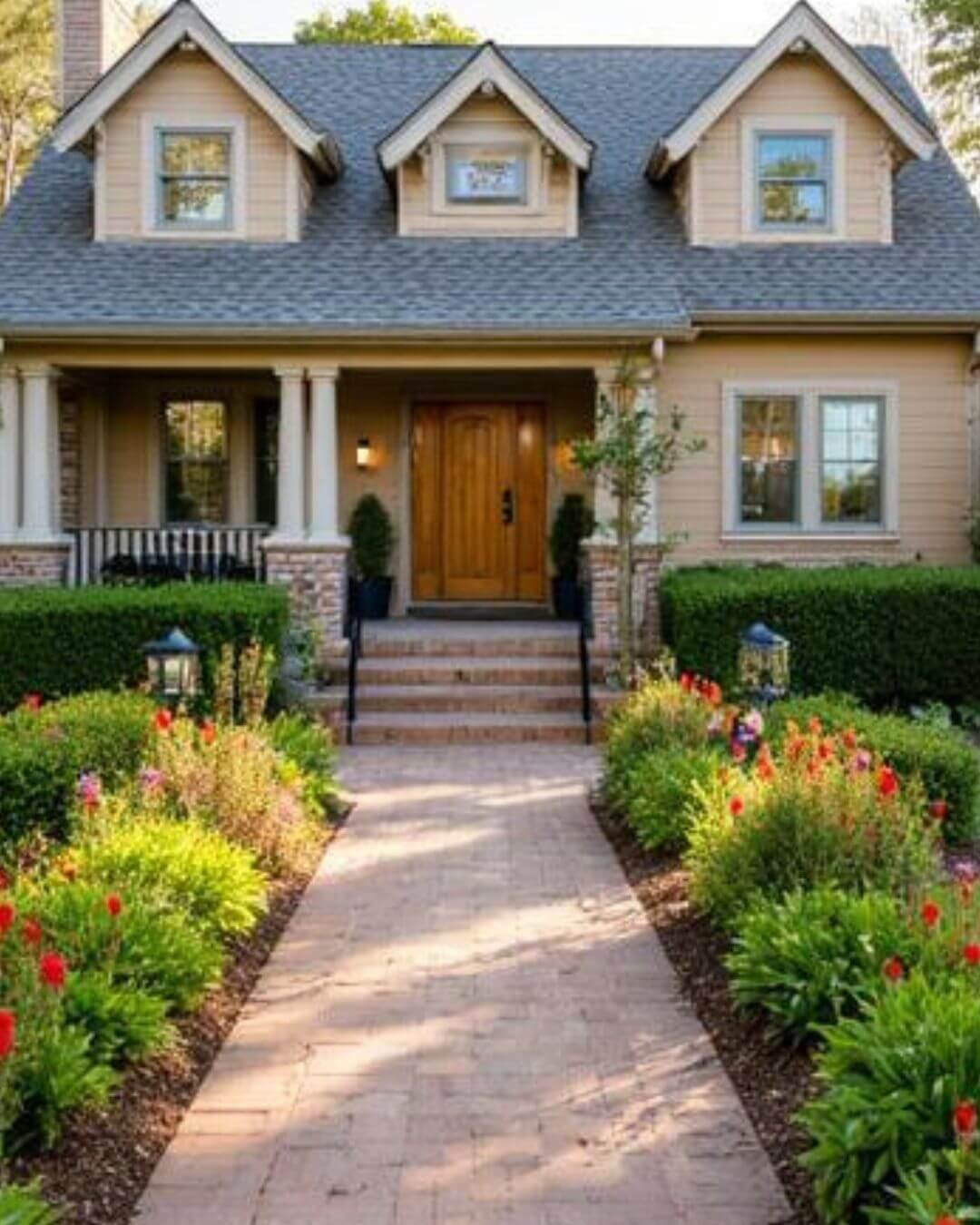
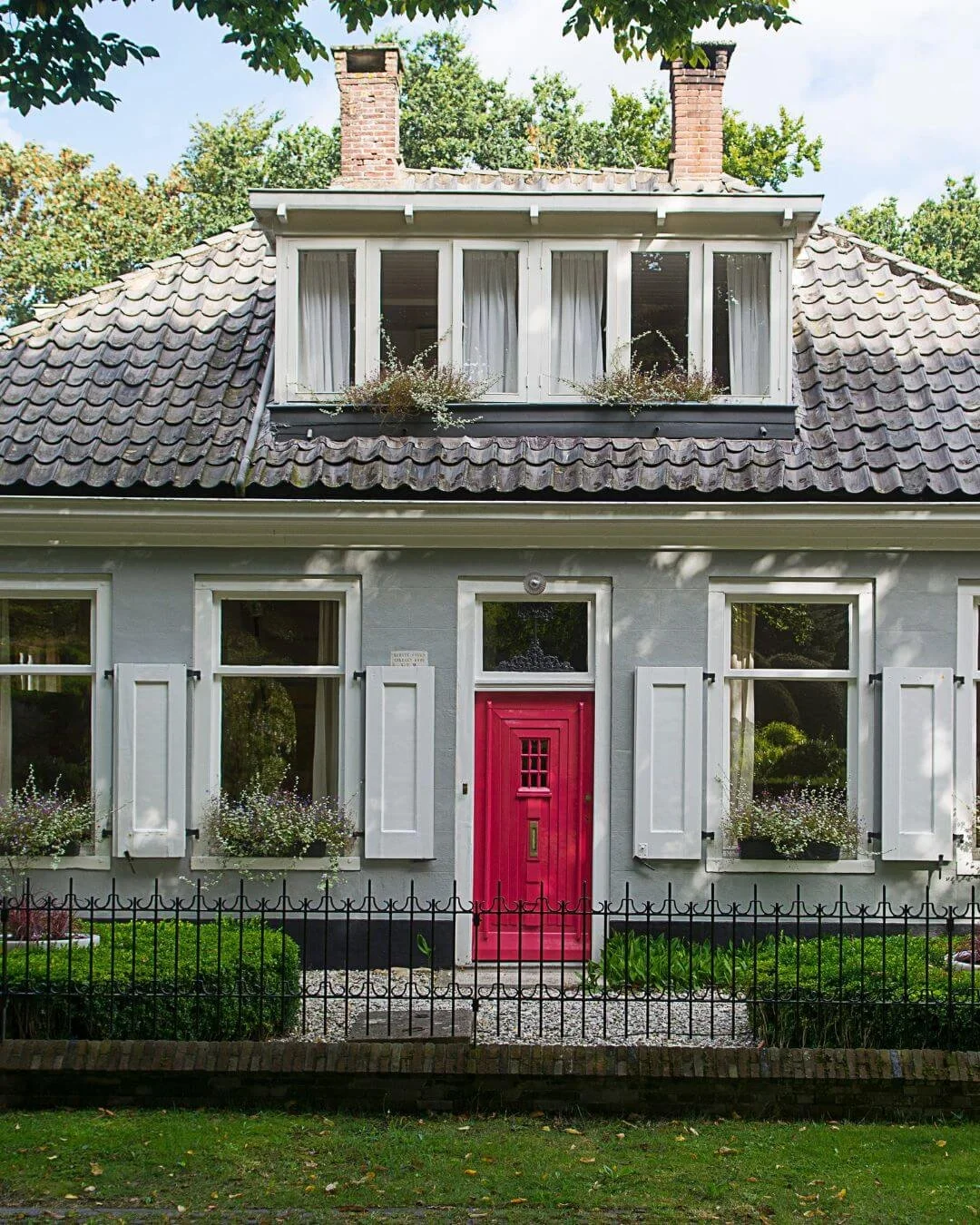

Spring porch planter recipes you can copy. Discover simple flower combinations for early and late spring that make your front porch feel intentional and elevated.